Choosing the 2026 Top Air Pump Blood Pressure Watch is not simply about screen size or smart functions. The real question is whether the device can deliver dependable readings during ordinary life. A compact air pump, soft wrist chamber, clear inflation cycle, and comfortable strap may sound impressive. Yet accuracy depends on calibration, wrist position, movement, skin contact, and individual circulation.
Professor Ramakrishna Mukkamala, a respected researcher in cuffless and wearable blood-pressure monitoring, has warned, “Cuffless blood pressure devices are not yet ready for prime time.” His caution matters. An Air Pump Blood Pressure Watch may offer a more structured measurement than optical-only wearables, but it should not automatically replace a validated upper-arm monitor. Small differences can matter.
Look for evidence.
The best models should explain their validation methods, measurement range, calibration process, and intended users. Independent clinical validation is more meaningful than marketing promises. Buyers should also examine battery life, inflation noise, strap fit, data export, and whether readings remain stable after walking or speaking. A watch that feels elegant may still produce inconsistent results on a loose wrist.
This guide compares leading options for 2026 with practical expectations, not exaggerated certainty. Some features remain developing. That deserves honest attention. Use repeated readings, follow the manufacturer’s instructions, and discuss unusual results with a qualified healthcare professional. An Air Pump Blood Pressure Watch can support awareness, but responsible interpretation remains essential.
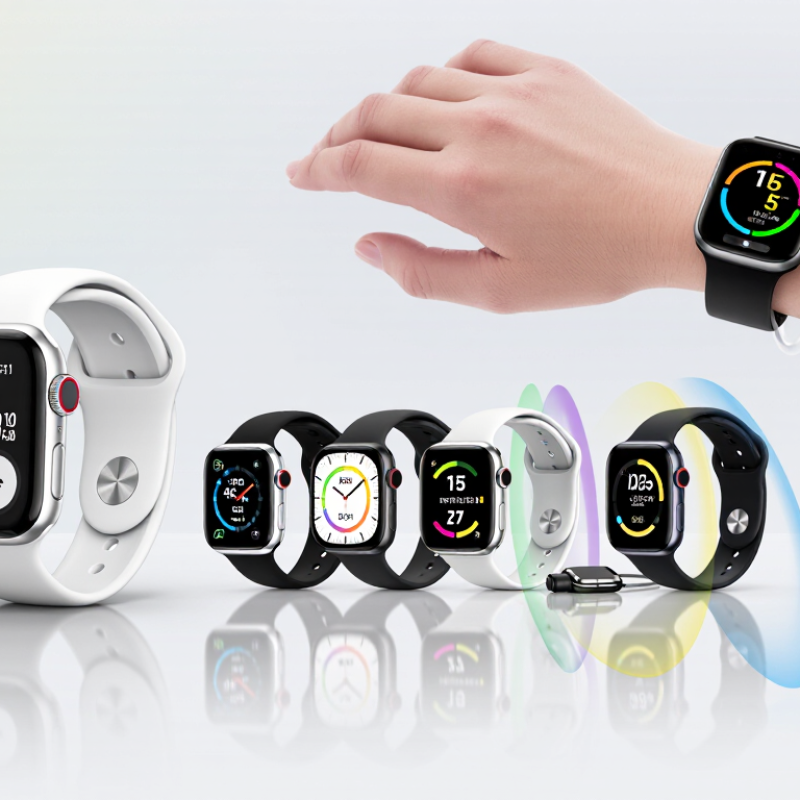
An air pump blood pressure watch is a wearable device with a miniature pump and inflatable cuff. The pump briefly tightens around the wrist, while sensors detect pressure changes in the artery. Most models use the oscillometric method, similar to automated upper-arm monitors. This differs from cuffless watches, which estimate pressure through optical signals and algorithms.
The need is substantial. The WHO Global Report on Hypertension (2023) estimates that 1.28 billion adults aged 30–79 have hypertension worldwide. Nearly 46% are unaware of their condition. A watch may help users notice repeated high readings during daily routines, such as after climbing stairs or before breakfast. Still, wrist position matters. Keep the watch level with your heart and remain still.
Look for independent validation under ISO 81060-2 or listings from STRIDE BP. These checks assess accuracy against a reference device, not merely app design. The American Heart Association continues to favor validated upper-arm monitors for home diagnosis and treatment decisions. Wrist measurements can be useful, but they are more sensitive to posture and fit. A loose cuff can distort results. A tight one can feel uncomfortable.
Real-world use is less perfect than laboratory testing. Motion, cold skin, irregular rhythms, and a small wrist may affect readings. I would compare the watch with a validated upper-arm monitor before trusting its trends. It should support clinical conversations, not replace them.
What is an air pump blood pressure watch?
An air pump blood pressure watch uses a miniature inflatable bladder and an oscillometric sensor to estimate blood pressure while the wrist is lightly compressed. The chart uses widely recognized adult blood-pressure thresholds in mmHg. A watch should be selected only when its blood-pressure function has independent clinical validation, and readings should be confirmed with a validated upper-arm monitor when results are unexpected.
An air pump blood pressure watch uses a small inflatable cuff around the wrist. When measurement starts, the pump gently increases cuff pressure and briefly compresses the artery. The watch then releases air in controlled steps. During deflation, a pressure sensor detects tiny arterial pulsations, called oscillations. Software analyzes their strength and timing to estimate systolic and diastolic pressure.
This differs from optical watches that mainly use light-based pulse signals. Air pressure provides a closer physical link to arterial pressure. However, the result still depends on wrist height, movement, cuff fit, and skin contact. Keep the wrist level with the heart. Sit quietly for five minutes. Even small posture errors can change readings.
The World Health Organization reported that 1.28 billion adults aged 30–79 had hypertension in 2023. Reliable home monitoring therefore matters. The ISO 81060-2 validation standard requires structured testing against a reference sphygmomanometer. Buyers should look for independent validation, not only impressive app claims. The American Heart Association also warns that wrist measurements require careful positioning and may be less dependable than upper-arm readings.
In practice, I would compare three readings taken one minute apart. I would record the average, then repeat the check on another day. Irregular heart rhythms, loose cuffs, and cold skin can confuse the algorithm. A watch may be convenient, but convenience is not proof of clinical accuracy. A clinician should review unusual or persistent values.
Choosing an air pump blood pressure watch in 2026 requires more than comparing screen size or smartwatch functions. The key feature is measurement reliability. Look for models using an inflatable wrist cuff, not only optical sensors. Independent clinical validation should cover the exact device and intended user group. A certification mark alone may not explain testing quality.
Cuff fit matters during real use. A loose cuff can produce unstable readings, while a tight cuff may feel uncomfortable after repeated measurements. Check the supported wrist range and inflation noise. The pump should stop smoothly, without sudden pressure changes. A clear display helps older users read systolic pressure, diastolic pressure, and pulse quickly. It should also show irregular results instead of hiding them.
Good models record time, posture, and repeated readings. This helps users discuss patterns with qualified health professionals. Data export is useful, but privacy controls deserve equal attention. Check whether records are stored locally, encrypted, or shared through optional accounts. Battery life should support several days of normal measurements, including inflation cycles. Fast charging is convenient.
Small details matter. A watch that needs perfect stillness may frustrate busy users. Some automated readings can still be wrong after exercise, stress, caffeine, or poor positioning. I would compare several readings under calm conditions before trusting a trend. No wearable replaces professional assessment, especially when results seem unusually high or low.
Choosing an air pump blood pressure watch starts with measurement quality, not screen size. Look for independent clinical validation against a certified upper-arm monitor. The watch should explain its testing method clearly. Vague accuracy claims deserve caution.
Check the inflatable air chamber and wrist fit carefully. A loose strap can produce unstable results, especially on a narrow wrist. The pump should inflate smoothly without sharp pressure or repeated squeezing. During testing, sit quietly, support your arm, and keep your wrist level with your heart. Movement, talking, cold skin, and a full bladder can affect readings. Small details matter.
Review the cuff range, charging time, storage capacity, and health-data export options. Some watches offer useful trend graphs, but attractive charts cannot correct poor technique. I would compare several readings with a validated upper-arm device during the first week. The numbers may not match perfectly, and that is a limitation worth accepting. A watch is a monitoring aid, not a diagnosis. If readings remain unusually high, low, or inconsistent, discuss them with a qualified healthcare professional. Also check whether the device has approval or registration for medical use in your region. Personal comfort matters too; a watch that feels bulky may quietly end up in a drawer.
An air pump blood pressure watch can support daily monitoring when used with disciplined habits.
Accuracy begins with correct placement. Wear the device on bare skin, with the sensor facing the inner wrist. Keep the wrist level with the heart. A loose strap can distort results.
Sit quietly for five minutes before measuring. Avoid exercise, caffeine, smoking, and hot showers for about thirty minutes beforehand. Keep both feet flat and support your arm on a table.
Do not talk during inflation. Take two readings, one minute apart, and record both numbers with the time. Morning and evening measurements reveal patterns better than occasional checks.
Small details matter.
Accuracy can drift with movement, cold skin, irregular heart rhythms, or a poor wrist position. Compare the watch with a validated upper-arm monitor during a clinic visit. Ask a qualified healthcare professional to check the technique and review unusual results.
Never change prescribed treatment based on one reading. Repeated high or low readings deserve medical advice, especially with dizziness, chest discomfort, weakness, or breathing problems.
A missed measurement is not a failure. Real routines are messier. The honest limitation is that convenience cannot replace clinical confirmation. Review the device’s calibration guidance, replace damaged components, and keep a simple log that includes symptoms, activity, and medication timing.
A small wrist cuff inflates and gently compresses the artery. A sensor detects arterial pulsations during controlled deflation. Software estimates systolic and diastolic pressure from these signals.
Air pressure creates a more direct physical link with arterial pressure. Optical devices mainly analyze light-based pulse signals. Neither method guarantees clinical accuracy.
Keep your wrist level with your heart. Sit quietly for five minutes beforehand. Support your arm on a table, with both feet flat. Small details matter.
Movement, cold skin, loose cuffs, and irregular rhythms can confuse the algorithm. A bent wrist may also change the result. Talking during inflation is best avoided.
Take two readings, one minute apart. Record both numbers and the measurement time. Comparing three readings can reveal an unusual result. One reading is weak evidence.
Avoid exercise, caffeine, smoking, and hot showers for about thirty minutes. Measure on bare skin, not over clothing. A calm five-minute rest improves consistency.
Not completely. Wrist readings may be less dependable than validated upper-arm measurements. Compare the watch with a validated monitor during a clinic visit. Convenience is not proof.
Keep a simple log with readings, symptoms, activity, and medication timing. Ask a qualified healthcare professional to review persistent high or low values. Seek prompt medical help for chest discomfort, severe weakness, breathing problems, or serious dizziness. Do not change prescribed treatment after one reading. Real routines get messy.
An Air Pump Blood Pressure Watch combines smartwatch convenience with an inflatable wrist cuff designed to support blood pressure measurement. Unlike optical-only devices that estimate readings through sensors, its miniature air pump gently inflates the cuff to help detect systolic and diastolic pressure more directly. When comparing 2026 models, consider measurement consistency, cuff comfort, inflation noise, screen readability, battery life, data storage, app compatibility, irregular heartbeat alerts, water resistance, and the availability of clear user instructions. It is also important to understand whether the device has appropriate medical validation for its intended use.
Choosing the right Air Pump Blood Pressure Watch depends on your wrist size, monitoring goals, daily routine, and preferred smart features. For more reliable results, rest quietly before measuring, keep your arm supported at heart level, remain still and silent, and use the same wrist consistently. Take readings at similar times when possible, review patterns instead of focusing on one result, and keep the watch properly charged and fitted. If a reading seems unusual, repeat it calmly and consult a qualified healthcare professional when needed.