Fast U.S. Shipping · 3–5 Business Days After Dispatch
45-Day Returns · 1-Year Warranty · No Monthly Fees

Blog

Top Senior Care Health Watch with Family Sharing?

Top Senior Care Health Watch with Family Sharing?

A Senior Care Health Watch with Family Sharing can help families stay connected without constant phone calls. It may track steps, heart rate, sleep patterns, medication reminders, and selected safety alerts. For an older adult living alone, a gentle vibration at 8 a.m. can support a daily routine. A daughter at work might review the same update during lunch. The best devices do more than collect numbers. They present clear information that families can understand and discuss with healthcare professionals. Useful features may include fall detection, location sharing, two-way communication, and caregiver notifications. However, accuracy varies between models, and readings can be affected by loose straps, movement, or skin contact. Small details matter. Privacy matters too. Families should agree on what information is shared before activating the watch. The older user deserves control, dignity, and an easy way to pause monitoring. Strong passwords, secure accounts, and regular software updates can reduce avoidable risks. A watch should support care, not quietly replace it. It cannot diagnose illness or guarantee emergency response. This limitation is easy to overlook. In practical use, caregivers should test alerts, charge the device nightly, and confirm local emergency contacts. A short trial can reveal problems, such as confusing menus or uncomfortable bands. Healthcare advice remains essential, especially when readings change suddenly. Technology can offer reassurance, but thoughtful human attention still carries the greatest weight.
Read more »
Clara By:Clara - October 27, 2026
What Is a Sleep Tracking Smartwatch and How Does It Work?

What Is a Sleep Tracking Smartwatch and How Does It Work?

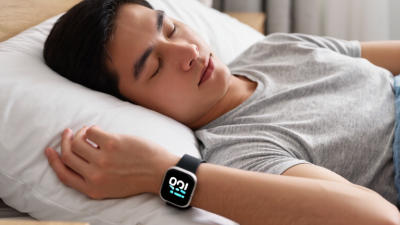
A Sleep Tracking Smartwatch is a wrist-worn device that estimates how you sleep each night. It combines movement data, heart rate, and sometimes blood oxygen readings. During a quiet night, its sensors record subtle changes beneath your wrist. The watch then uses algorithms to estimate sleep duration, bedtime, awakenings, and sleep stages. It is not a perfect sleep diary. The device usually detects stillness as sleep, but stillness does not always mean deep rest. A person reading in bed may be classified as asleep. Likewise, brief awakenings can disappear from the record. This limitation deserves attention. Sleep tracking can reveal useful patterns, yet it cannot replace a clinical sleep assessment. Reliable interpretation requires more than checking one score each morning. Compare several nights instead. Look for repeated changes after late meals, stressful days, travel, or evening screen use. Check whether the watch fits comfortably and stays in contact with your skin. Loose placement can produce misleading readings. Some models also estimate breathing patterns or blood oxygen levels, but these features are not medical diagnoses. The most valuable insight may be consistency. If sleep data repeatedly shows loud snoring, frequent waking, or unusually low oxygen readings, discuss the pattern with a qualified healthcare professional. Manufacturers explain that consumer wearables support wellness tracking, not disease detection. Their results can vary across people, devices, and sleeping positions. Understanding how the technology works helps users appreciate its benefits without treating every number as unquestionable truth.
Read more »
Clara By:Clara - October 22, 2026
2026 Top Blood Oxygen SpO2 Fitness Trackers for Wholesale

2026 Top Blood Oxygen SpO2 Fitness Trackers for Wholesale

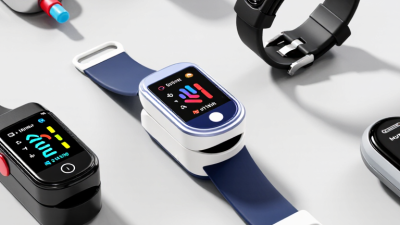
The 2026 wholesale market is moving beyond step counting. Buyers now expect practical wellness data, longer battery life, and reliable mobile connectivity. A Blood Oxygen SpO2 Fitness Tracker can support these expectations when its design, sensors, and software work together consistently. This guide examines leading fitness trackers for distributors, retailers, corporate wellness programs, and private-label brands. It considers SpO2 measurement, heart-rate monitoring, sleep features, display readability, waterproofing, battery performance, app compatibility, and production flexibility. Physical details matter. A bright screen helps outdoor users, while a secure strap reduces movement during readings. Clear menus also reduce customer complaints after delivery. Numbers need context. SpO2 readings may change with motion, cold fingers, loose straps, or different skin conditions. No consumer tracker should replace professional medical equipment or clinical advice. Wholesale buyers should request test reports, product samples, warranty terms, firmware information, and documented quality procedures before placing large orders. Regional compliance requirements must also be checked with qualified professionals. Some specifications look impressive on paper. Real performance can differ. A lower-cost model may offer strong battery life but a weaker application experience. Another tracker may provide attractive reporting but require frequent charging. These trade-offs deserve honest comparison, not exaggerated claims. This overview uses practical purchasing criteria and current product considerations to help buyers assess quality, risk, and long-term value. The best choice is rarely the device with the most features. It is the one that users can wear comfortably and trust every day.
Read more »
Clara By:Clara - October 17, 2026
2026 Top Air Pump Blood Pressure Watch Which to Buy?

2026 Top Air Pump Blood Pressure Watch Which to Buy?

Choosing the 2026 Top Air Pump Blood Pressure Watch is not simply about screen size or smart functions. The real question is whether the device can deliver dependable readings during ordinary life. A compact air pump, soft wrist chamber, clear inflation cycle, and comfortable strap may sound impressive. Yet accuracy depends on calibration, wrist position, movement, skin contact, and individual circulation. Professor Ramakrishna Mukkamala, a respected researcher in cuffless and wearable blood-pressure monitoring, has warned, “Cuffless blood pressure devices are not yet ready for prime time.” His caution matters. An Air Pump Blood Pressure Watch may offer a more structured measurement than optical-only wearables, but it should not automatically replace a validated upper-arm monitor. Small differences can matter. Look for evidence. The best models should explain their validation methods, measurement range, calibration process, and intended users. Independent clinical validation is more meaningful than marketing promises. Buyers should also examine battery life, inflation noise, strap fit, data export, and whether readings remain stable after walking or speaking. A watch that feels elegant may still produce inconsistent results on a loose wrist. This guide compares leading options for 2026 with practical expectations, not exaggerated certainty. Some features remain developing. That deserves honest attention. Use repeated readings, follow the manufacturer’s instructions, and discuss unusual results with a qualified healthcare professional. An Air Pump Blood Pressure Watch can support awareness, but responsible interpretation remains essential.
Read more »
Amelia By:Amelia - October 12, 2026
Top Atrial Fibrillation Monitoring Watches to Buy

Top Atrial Fibrillation Monitoring Watches to Buy

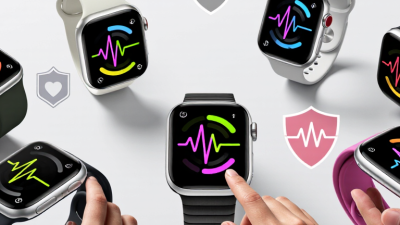
Choosing an Atrial Fibrillation Monitoring Watch is not simply a matter of screen brightness, battery life, or brand reputation. It involves clinical evidence, sensor accuracy, data privacy, and realistic daily use. A watch may detect an irregular rhythm while you are walking, working, or sleeping. It cannot replace a medical diagnosis. The World Health Organization identifies atrial fibrillation as the most common sustained cardiac arrhythmia. The Global Burden of Disease Study estimated that more than 37 million people were living with AF worldwide in 2017, with numbers expected to rise. Evidence from wearable research is encouraging. In the Apple Heart Study, published in the New England Journal of Medicine in 2019, 0.52% of participants received an irregular pulse notification. Among participants who returned an ECG patch, the notification’s positive predictive value was 84%. The Fitbit Heart Study, published in Circulation in 2022, reported a 98.2% positive predictive value for returned ECG readings after irregular rhythm notifications. Dr. Mintu Turakhia, a cardiologist and Apple Heart Study investigator, said, “This study demonstrates the potential of wearable technology to help identify people with AFib.” That potential matters. Still, it has limits. False alerts happen. Some watches lack continuous ECG recording. Others require careful wrist contact and a compatible phone. This guide compares leading models through an evidence-based lens, including ECG capability, irregular-rhythm alerts, comfort, battery performance, and follow-up options. A watch can offer an important signal. It should never offer false reassurance.
Read more »
Amelia By:Amelia - October 7, 2026
What Is a Fall Detection Smartwatch for Seniors?

What Is a Fall Detection Smartwatch for Seniors?

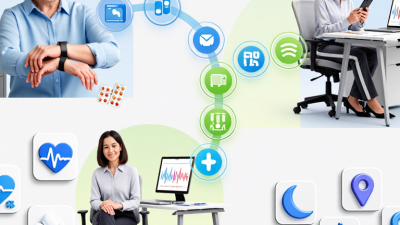
A Fall Detection Smartwatch for Seniors is a wearable device designed to recognize possible falls and request assistance. It usually combines motion sensors, gyroscopes, heart-rate monitoring, and software algorithms. Some models also include GPS, cellular calling, medication reminders, or emergency contacts. The watch may vibrate, sound an alert, and ask the wearer to confirm safety. If there is no response, it can notify a caregiver or monitoring center. Picture an older adult slipping beside the kitchen counter. The watch may detect a sudden impact, a rapid change in movement, and a period of stillness. These signals can trigger an alert within seconds. However, detection is not perfect. A soft fall, unusual movement, or a loose fit may confuse the system. False alarms can also happen during exercise, gardening, or getting up quickly. The wearer must respond. This guide explains how fall detection works, what features deserve careful attention, and where these devices have limits. Practical evaluation matters more than impressive advertising. Battery life, water resistance, screen readability, speaker volume, and cellular coverage can affect everyday safety. A caregiver should test the alert process before depending on it. The watch cannot replace supervision, medical advice, or a clear emergency plan. It is one helpful layer. Small details matter. Will the senior remember to charge it? Can they press the assistance button? Does the service work outside the home? These questions may reveal weaknesses. Reliable choices should reflect the wearer’s health needs, mobility, comfort, privacy preferences, and living environment.
Read more »
Amelia By:Amelia - October 2, 2026
How to Choose a Blood Pressure Smartwatch in 2026?

How to Choose a Blood Pressure Smartwatch in 2026?

Choosing a Blood Pressure Smartwatch in 2026 means looking beyond sleek displays and impressive app dashboards. The World Health Organization’s 2023 hypertension report estimates that 1.28 billion adults aged 30–79 live with hypertension worldwide. That makes convenient tracking appealing, especially when a morning reading could help someone notice a pattern. But convenience is not the same as clinical accuracy. The American Heart Association’s 2024 scientific statement on cuffless blood-pressure devices highlights the need for rigorous validation before these readings guide diagnosis or treatment. Paul Muntner, an author of the statement and an epidemiologist at the University of Alabama at Birmingham, put the caution plainly: “There is not enough evidence to support the use of cuffless devices to measure blood pressure.” Check that wording against the original statement before relying on it. A useful watch should explain how it measures pressure, identify its validation evidence, and make clear whether readings require calibration with a validated upper-arm cuff. Small details matter. Does the watch fit securely? Can its app show trends without presenting estimates as medical certainty? Is the screen readable during a quick check at the kitchen table? A polished graph can still mislead. And a wrist reading may shift with posture, movement, or fit. This guide compares measurement methods, validation, comfort, battery life, and data sharing. It also flags claims worth questioning. No wearable replaces professional advice. That distinction is easy to overlook.
Read more »
Clara By:Clara - September 24, 2026
Why Choose an ECG Health Smartwatch for Your Business?

Why Choose an ECG Health Smartwatch for Your Business?

For a business evaluating wearable health technology, an ECG Health Smartwatch can offer more than a polished screen. It can capture a single-lead electrocardiogram, track everyday activity, and give users a clearer view of selected heart-rhythm patterns. The value is practical. A manager can compare battery life, app usability, comfort, data handling, and support before choosing a device for staff or customers. Cardiologist and digital-medicine researcher Eric Topol has written, “The future of medicine is the future of health.” That idea fits workplace wearables, but it needs careful interpretation. An ECG feature may help a user record a tracing during symptoms; it does not replace a clinician’s assessment. Readings can be incomplete, confusing, or affected by movement. That matters. For business buyers, the strongest case is not a dramatic promise. It is a useful tool, thoughtfully introduced. Picture an employee checking a watch after a brisk walk, then reviewing the recording with a qualified healthcare professional when appropriate. Clear guidance, accessible training, and transparent privacy practices build trust. So does admitting what the device cannot do. A smartwatch alone will not fix poor health habits or a weak wellness program. Still, a well-chosen ECG Health Smartwatch may support more informed conversations and help a company offer a tangible, everyday health resource. The details deserve scrutiny.
Read more »
Clara By:Clara - September 24, 2026