A Fall Detection Smartwatch for Seniors is a wearable device designed to recognize possible falls and request assistance. It usually combines motion sensors, gyroscopes, heart-rate monitoring, and software algorithms. Some models also include GPS, cellular calling, medication reminders, or emergency contacts. The watch may vibrate, sound an alert, and ask the wearer to confirm safety. If there is no response, it can notify a caregiver or monitoring center.
Picture an older adult slipping beside the kitchen counter. The watch may detect a sudden impact, a rapid change in movement, and a period of stillness. These signals can trigger an alert within seconds. However, detection is not perfect. A soft fall, unusual movement, or a loose fit may confuse the system. False alarms can also happen during exercise, gardening, or getting up quickly. The wearer must respond.
This guide explains how fall detection works, what features deserve careful attention, and where these devices have limits. Practical evaluation matters more than impressive advertising. Battery life, water resistance, screen readability, speaker volume, and cellular coverage can affect everyday safety. A caregiver should test the alert process before depending on it. The watch cannot replace supervision, medical advice, or a clear emergency plan. It is one helpful layer.
Small details matter. Will the senior remember to charge it? Can they press the assistance button? Does the service work outside the home? These questions may reveal weaknesses. Reliable choices should reflect the wearer’s health needs, mobility, comfort, privacy preferences, and living environment.
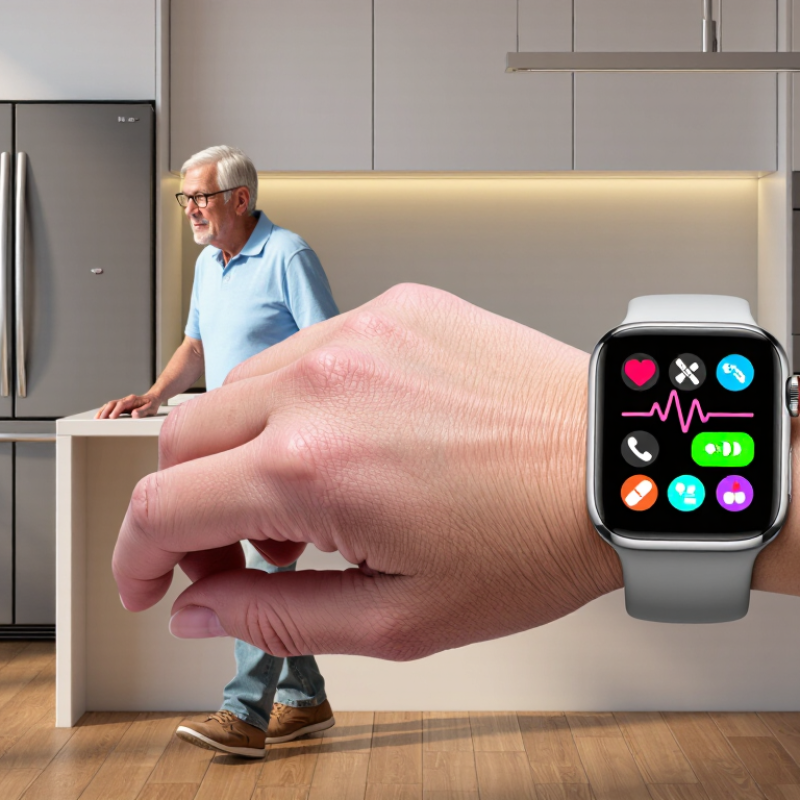
What Is a Fall Detection Smartwatch for Seniors?
A fall detection smartwatch is a wearable safety device for older adults. It monitors movement and can request help after a suspected fall. The Centers for Disease Control and Prevention reports that more than one in four adults aged 65 and older falls annually. These incidents can cause fractures, head injuries, and long periods alone on the floor.
Key functions depend on several small components. An accelerometer measures sudden movement, while a gyroscope tracks rotation and body position. Software compares these signals with patterns linked to falls. Many watches also include heart-rate monitoring, GPS location, two-way calling, and an emergency alert button. Cellular connectivity may contact a chosen responder without a nearby phone. However, detection is not perfect. A dropped device, soft landing, or unusual movement can trigger a false alarm. Some genuine falls may remain unnoticed.
Tips: Test the alert system while seated and standing. Check battery life, network coverage, charging habits, and emergency contacts. The National Council on Aging recommends discussing fall risks with healthcare professionals, especially after a previous fall. Privacy also deserves attention. Review how location and health data are stored. A watch supports a safety plan; it cannot replace home adjustments, medication reviews, or human check-ins. Its value depends on consistent wearing, which is often the overlooked part.
| Function or Component | What It Does | How It Supports Seniors | Important Considerations |
|---|---|---|---|
| Fall Detection Sensors | Use motion and orientation data to identify sudden changes that may indicate a fall. | Can help initiate assistance when the wearer cannot reach a phone or manually request help. | Detection is not perfect. Rapid sitting, dropping the watch, or unusual movements may cause missed events or false alerts. |
| Accelerometer | Measures movement and acceleration along multiple directions. | Helps the device recognize impact-like movement, sudden stops, and changes in activity. | Movement data alone cannot confirm whether an injury has occurred. |
| Gyroscope | Measures rotation and changes in the watch’s orientation. | Works with the accelerometer to improve recognition of body-position changes associated with a fall. | Accuracy may be affected if the watch is worn loosely or removed during daily activities. |
| Automatic Emergency Alert | Displays an alert and may contact selected caregivers or an emergency service after a suspected fall. | Reduces the need for the wearer to operate a phone during a stressful situation. | Alert destinations, response procedures, and service availability depend on the device and its communication plan. |
| Manual SOS Button | Allows the wearer to press a dedicated button to request assistance. | Provides a backup when the user feels unwell, experiences a non-detected incident, or needs help for another reason. | The button must be easy to find and press, and users should know how long to hold it. |
| Two-Way Communication | Uses a built-in speaker and microphone for voice communication. | May allow the wearer to speak with a caregiver or responder without reaching for a mobile phone. | Clear communication requires sufficient battery power, network coverage, and an appropriate microphone and speaker position. |
| Location Services | May use satellite positioning, cellular networks, Wi-Fi, or paired-phone location data. | Can help caregivers locate the wearer outdoors or provide approximate location information during an alert. | Indoor accuracy can be limited, and location functions may require network access or a connected phone. |
| Heart-Rate Monitoring | Uses optical sensors to estimate pulse during rest or activity. | May provide general wellness information and help users review changes in heart rate. | Consumer readings are not a diagnosis and can be affected by movement, skin contact, and fit. |
| Water Resistance | Helps protect the watch from sweat, splashes, or limited water exposure according to its rating. | Makes continuous wear more practical during everyday activities. | Water-resistance ratings vary; they do not necessarily mean the device is suitable for swimming or bathing. |
| Battery and Charging | Powers sensors, alerts, communication, and connectivity features. | A charged device can monitor the wearer and send alerts throughout the day. | Battery life depends on features and usage. Regular charging is essential because an empty battery disables monitoring and communication. |
| Connectivity | Connects through cellular service, Wi-Fi, Bluetooth, or a paired smartphone. | Enables alerts, calls, location sharing, software updates, and caregiver notifications. | A weak signal, disconnected phone, inactive service, or blocked permissions may delay or prevent communication. |
| Display and Controls | Provides visual alerts, status information, touch controls, and sometimes physical buttons. | Large text, strong contrast, and simple controls can improve accessibility for older adults. | Users with reduced vision, hearing, or dexterity may need customized settings and practice. |
| Caregiver Notifications | Sends an alert, message, call, or app notification to designated contacts. | Helps family members or caregivers respond more quickly to a possible emergency. | Contacts must be current, reachable, and aware of what actions to take after receiving an alert. |
| User Setup and Testing | Includes configuring emergency contacts, permissions, wearing position, and alert preferences. | Regular testing helps confirm that the wearer understands the device and that notifications reach the intended contacts. | A fall detection smartwatch is a support tool, not a replacement for medical care, supervision, or an emergency response plan. |
An accelerometer detects sudden speed and direction changes. A gyroscope tracks rotation, tilt, and wrist position. The software combines these signals with impact and stillness.
The watch may ask the wearer to confirm their condition. If there is no response, it can send an SOS alert to a trusted contact or emergency service. A short countdown may help prevent accidental alerts.
Yes. Quickly sitting down or exercising may create similar signals. Detection is helpful, but not perfect. Review false alarms instead of ignoring them.
Wear it firmly above the wrist bone. A loose strap can confuse motion sensors. It should feel secure, not painfully tight.
GPS can share an approximate outdoor location with trusted contacts. It may help when someone falls away from home. Accuracy can decrease indoors, near tall buildings, or under dense trees.
Test the SOS button monthly. Practice a simulated fall and clear speaking. Keep contact details current. A plan still matters.
A dead battery, weak network, loose fit, or removed watch can cause problems. The wearer may also miss a confirmation request. Small failures matter.
Test alerts with a family member. Check GPS around the home and usual walking routes. Confirm that notifications are received and understood. Some tests may reveal uncomfortable gaps.
Falls can cause serious harm, and help may be delayed when nobody is nearby. Faster notification may support quicker assistance. It cannot guarantee a safe outcome.
No. It is one helpful layer, not the whole plan. Families should discuss contacts, charging routines, indoor limitations, and response steps. Overconfidence could create dangerous delays.
A Fall Detection Smartwatch for Seniors is a wearable safety device designed to recognize sudden falls and help older adults receive assistance quickly. Its key components typically include motion sensors, an accelerometer, a gyroscope, GPS, an SOS button, and wireless communication features. By analyzing changes in speed, direction, body position, and impact, the device can identify possible falls in real time and send alerts to selected caregivers or emergency contacts. GPS may also help share the wearer’s location when support is needed.
This technology matters because falls are a serious concern for older adults, with CDC reports indicating that about one in four people aged 65 and above fall each year. However, reliable performance requires balancing fast detection with minimizing false alarms. Users should be able to cancel accidental alerts and understand how notifications are handled. Privacy protection, secure data management, battery reliability, and appropriate FDA safety considerations are also important when evaluating a fall detection smartwatch.