Fast U.S. Shipping · 3–5 Business Days After Dispatch
45-Day Returns · 1-Year Warranty · No Monthly Fees
0%

A Sleep Tracking Smartwatch is a wrist-worn device that estimates how you sleep each night. It combines movement data, heart rate, and sometimes blood oxygen readings. During a quiet night, its sensors record subtle changes beneath your wrist. The watch then uses algorithms to estimate sleep duration, bedtime, awakenings, and sleep stages.

It is not a perfect sleep diary. The device usually detects stillness as sleep, but stillness does not always mean deep rest. A person reading in bed may be classified as asleep. Likewise, brief awakenings can disappear from the record. This limitation deserves attention. Sleep tracking can reveal useful patterns, yet it cannot replace a clinical sleep assessment.

Reliable interpretation requires more than checking one score each morning. Compare several nights instead. Look for repeated changes after late meals, stressful days, travel, or evening screen use. Check whether the watch fits comfortably and stays in contact with your skin. Loose placement can produce misleading readings. Some models also estimate breathing patterns or blood oxygen levels, but these features are not medical diagnoses.

The most valuable insight may be consistency. If sleep data repeatedly shows loud snoring, frequent waking, or unusually low oxygen readings, discuss the pattern with a qualified healthcare professional. Manufacturers explain that consumer wearables support wellness tracking, not disease detection. Their results can vary across people, devices, and sleeping positions. Understanding how the technology works helps users appreciate its benefits without treating every number as unquestionable truth.
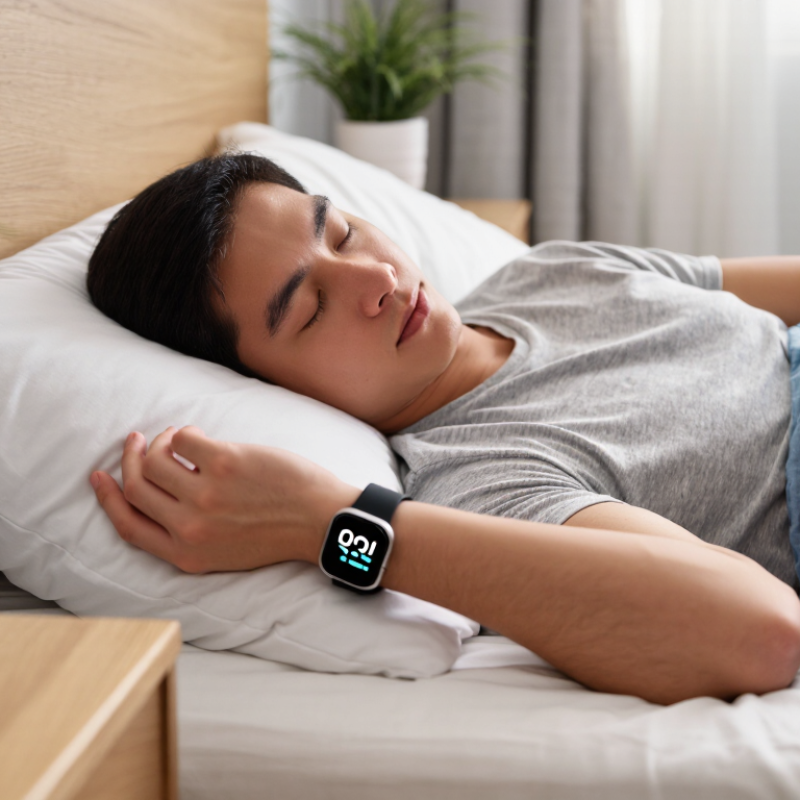
What Is a Sleep Tracking Smartwatch and How Does It Work?

Definition and Core Features of a Sleep Tracking Smartwatch

A sleep tracking smartwatch is a wearable device that estimates sleep patterns during the night. It uses movement, heart rate, and sometimes skin temperature to identify sleep periods. Many models also monitor breathing changes and blood oxygen levels. These readings come from small sensors under the watch case.

Its core feature is sleep-stage estimation. Algorithms compare body signals with known sleep patterns and classify periods as awake, light, deep, or rapid eye movement sleep. The device may also record bedtime, wake time, nighttime interruptions, and sleep consistency. A companion app usually presents this information through graphs, scores, and weekly trends.

It is not a medical verdict. A watch can mistake quiet wakefulness for sleep, especially when the user lies still. Loose contact, unusual movement, or low battery can also reduce accuracy. Blood oxygen readings may offer useful clues, but they should not diagnose breathing disorders. A sensible approach is to compare the data with daytime energy, stress, and regular habits. The numbers can guide questions, not replace professional evaluation. Privacy also matters, because sleep records reveal intimate health patterns. Check how data is stored, shared, and deleted before using the feature regularly.

Sensors and Signals Used to Monitor Sleep

What Is a Sleep Tracking Smartwatch and How Does It Work?

Sensors and Signals Used to Monitor Sleep

A sleep tracking smartwatch estimates sleep through several small sensors working together. An accelerometer detects wrist movement, such as turning, stillness, or repeated motion. A gyroscope can add information about wrist direction and body position. These signals help estimate when sleep begins and ends.

The optical heart-rate sensor shines light into the skin and measures changing blood flow. During sleep, heart rate often falls, while beat-to-beat timing may change. Algorithms examine these patterns alongside movement.

Some devices also estimate blood oxygen using different light wavelengths. A temperature sensor may notice small changes near the wrist. These readings can reflect sleep conditions, but they do not directly measure brain activity.

Sleep stages are inferred, not observed. Deep sleep and dream-related sleep can look similar through wrist signals. A quiet hand does not always mean restful sleep. I have noticed that late exercise, loose straps, alcohol-free evening routines, and room temperature can affect readings. The watch may even record “sleep” during relaxed reading.

That imperfection matters. Clinical sleep studies use brain, eye, and muscle signals for more precise scoring. A smartwatch offers useful patterns across many nights, not a medical diagnosis.

Check the fit. Compare trends with how you feel. One unusual graph deserves curiosity, not panic.

How a Smartwatch Detects and Classifies Sleep Stages

A sleep tracking smartwatch estimates sleep through movement, heart activity, and surrounding signals. Its accelerometer notices whether your wrist is still or shifting. An optical sensor measures changes in blood flow and heart rate. Some devices also monitor skin temperature or breathing patterns.

The software combines these signals with time and movement history. Long periods of low movement may suggest sleep. Heart rate changes can support that estimate. The algorithm then classifies sleep into awake, light, deep, and rapid eye movement stages. These labels are predictions, not direct brain measurements. Clinical sleep testing uses electrodes to record brain activity, while a smartwatch usually does not.

In daily use, a quiet night may produce a neat graph by morning. That graph can still be wrong. A motionless person may be awake, and restless sleep may look like waking. I have found that bedtime routines, loose straps, and unusual stress can affect the readings. The watch learns patterns, but learning is not the same as understanding. Its data is more useful for noticing repeated changes than judging one isolated night. A reliable interpretation should consider how you felt, your schedule, and several nights of records. Sleep stages remain estimates, especially when sensor contact is poor.

How Sleep Data Is Processed and Presented to Users

A sleep tracking smartwatch collects signals while you rest, including movement, pulse, and sometimes skin temperature. Its sensors sample these signals repeatedly, often during short time windows called epochs. The device then filters noise caused by loose straps, changing positions, or brief hand movements. An algorithm compares the cleaned signals with patterns linked to wakefulness and sleep stages. Slow pulse and stillness may suggest deeper sleep, but they do not prove it. Some nights look wrong.

The processed data appears as a timeline, showing estimated periods of awake, light, deep, and rapid eye movement sleep. A dashboard may also display sleep duration, interruptions, bedtime consistency, and a recovery score. These labels are estimates, not direct measurements of brain activity. Clinical sleep studies use additional sensors, including brain-wave monitoring, for stronger stage identification. A reliable app should explain its methods, show measurement limits, and avoid exaggerated health claims. I would inspect weekly trends rather than trust one unusual night. A late meal, illness, alcohol, stress, or a warm bedroom can alter the readings and the sleep itself. The clearest value comes from comparing the data with how rested you actually feel. Data can guide questions for a qualified health professional, but it cannot independently diagnose a sleep disorder.

Benefits, Limitations, and Privacy Considerations

A sleep-tracking smartwatch estimates sleep using movement, heart rate, and sometimes blood-oxygen changes. It cannot directly measure brain activity like clinical polysomnography. The American Academy of Sleep Medicine recommends that adults get at least seven hours of sleep regularly. Yet smartwatch readings may confuse quiet wakefulness with sleep. A neat sleep score can still be wrong.

The benefits are practical. Nightly records can reveal short sleep, irregular bedtimes, or repeated awakenings. These patterns may help users discuss concerns with a qualified clinician. The 2023 National Sleep Foundation report highlights sleep regularity as an important part of healthy rest. However, tracking can increase anxiety. Some people wake up and immediately judge a single number. That habit may worsen sleep. Wearable data should support observation, not diagnose insomnia, breathing disorders, or other conditions.

Tips: Compare trends over two weeks, not one night. Keep a simple note about caffeine, stress, exercise, and illness. Check whether the device feels comfortable. Privacy deserves equal attention. The Federal Trade Commission advises consumers to understand how health data is collected, shared, and retained. Read permission settings carefully. Disable unnecessary data access. Avoid uploading sensitive sleep records without a clear reason. I would also question impressive accuracy claims, because independent testing conditions rarely match a restless night at home. Stepping away from the data can sometimes be healthier.

FAQS

How does a smartwatch estimate sleep?

It combines wrist movement, heart activity, and sometimes skin temperature or breathing patterns. Stillness may suggest sleep. It is an estimate.

Can it identify exact sleep stages?

No. It predicts awake, light, deep, and rapid eye movement stages from sensor patterns. It does not directly measure brain activity.

What does the movement sensor detect?

It notices whether your wrist stays still or shifts. A motionless wrist can mean sleep. Or quiet wakefulness.

How does the device process noisy signals?

It samples signals in short periods called epochs. Software filters movement from loose straps, changing positions, and brief hand motions. Imperfect filtering remains possible.

Why might a sleep graph be wrong?

Stress, illness, a late meal, or a warm bedroom can affect sleep and readings. A loose strap may weaken sensor contact. Some nights look wrong.

Are deep sleep and rapid eye movement labels reliable?

They are useful estimates, not clinical measurements. Clinical testing uses electrodes and brain-wave monitoring. Treat the labels cautiously.

What should I do with one unusual night?

Avoid judging yourself from one graph. Compare several nights with your schedule and morning energy. The picture becomes clearer.

Can sleep data diagnose a sleep disorder?

No. It may reveal repeated changes and support questions for a qualified health professional. It cannot diagnose independently. I would not overtrust it.

Conclusion

A Sleep Tracking Smartwatch is a wearable device designed to estimate and record sleep patterns while you rest. It typically combines motion sensors, heart-rate monitoring, and sometimes blood oxygen or skin-temperature readings to observe changes in the body throughout the night. By analyzing signals such as movement, pulse trends, and periods of stillness, the device estimates when you fall asleep, wake up, or move between light, deep, and rapid eye movement sleep. These results are generated through algorithms that identify recurring physiological patterns rather than directly measuring brain activity.

After collection, sleep data is processed into charts, scores, timelines, and summaries that help users understand their nightly habits. Such information may encourage more consistent schedules and highlight changes worth discussing with a qualified professional. However, smartwatch readings are estimates and can be affected by fit, movement, device limitations, or individual differences. Users should also consider privacy, including how data is stored, shared, and protected, and review settings carefully before enabling connected health features.


Clara

Clara

Clara is a professional marketing specialist with a deep understanding of the company’s products, services, and the needs of the people who use them. She regularly contributes expert articles to the company website, turning product knowledge and industry insights into clear, practical guidance. Her......