Direct factory wholesale models engineered with medical-grade thermistor arrays, continuous skin-to-core temperature extrapolation, PPG biometric tracking, and custom enterprise software integrations.
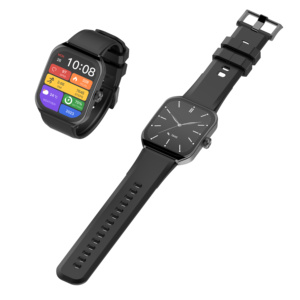
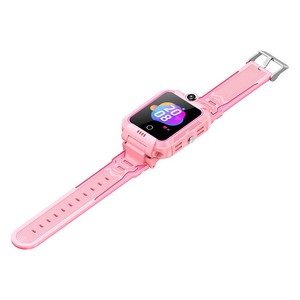
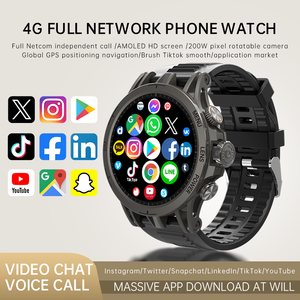
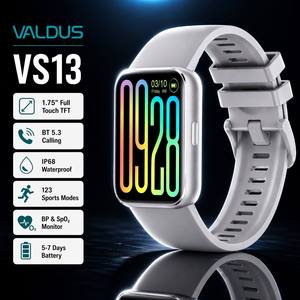
A comprehensive analysis of sensor architectures, thermal compensation algorithms, OEM/ODM manufacturing standards, and 2026 global market procurement trends.
The global wearable technology ecosystem has undergone a profound shift. Modern buyers and healthcare distributors no longer view body temperature monitoring as an auxiliary gadget feature, but as a vital biometric metric for early febrile screening, ovulation tracking, circadian rhythm profiling, and post-workout thermoregulation analysis.
Leading Chinese exporters have transitioned from standard consumer electronics manufacturing to specialized medical-grade and hybrid-wellness wearable production. By integrating multi-channel PPG (Photoplethysmography), single-lead ECG, optical SpO2, and contact thermal sensors into unified microchips, OEM buyers obtain unmatched biometric coverage at competitive B2B wholesale price points.
Understanding the hardware distinction between sensor types is critical for corporate purchasing teams, brand managers, and medical equipment importers. Chinese manufacturers primarily offer three distinct thermal sensing engineering solutions:
For large-scale B2B procurement, dual-sensor NTC setups offer the optimal balance between manufacturing cost, structural waterproofing (IP68), battery longevity, and clinical-grade algorithmic precision.
Compare manufacturing parameters, algorithmic compensation capabilities, and hardware specs to select the exact body temperature smartwatch series for your market channel.
| Sensor Architecture | Thermal Accuracy | Sampling Frequency | Key Algorithm Features | Ideal Target Market |
|---|---|---|---|---|
| NTC Contact Micro-Array | ±0.1°C to ±0.2°C | Continuous 24/7 (Every 5–10 mins) | Ambient heat-loss calculation, baseline circadian shift tracking | Consumer Wearables, Senior Care, Female Health Brands |
| Dual Heat-Flux Differential Sensor | ±0.05°C to ±0.1°C | Real-time streaming (1 Hz) | Deep-tissue core core body temperature extrapolation, exertion heat stress alert | Clinical Telehealth, High-Performance Athletics, Worksite Safety |
| Infrared (IR) Thermopile Module | ±0.2°C | On-Demand Spot Measurement | Distance compensation, emissivity correction factor | Access Control, Institutional Screening, Rapid Fever Diagnostics |
| Multi-Sensor PPG + NTC Fusion | ±0.1°C + HR/SpO2 | Synchronized Biometric Polling | Infection risk modeling, HRV stress correlation, sleep stage temperature indexing | Premium Health Watch Brands, Insurance Telematics, Remote Patient Monitoring |
Anticipate technology shifts, software demands, and international compliance evolutions to keep your brand ahead of market disruption.
Traditional smartwatches rely on simple threshold alerts (e.g., triggering an alarm when skin temp exceeds 37.5°C). However, skin temperature naturally fluctuates based on environmental cold, physical exercise, and circadian rest cycles.
Next-generation OEM hardware coming out of Shenzhen and Dongguan factories incorporates on-chip Edge AI logic. Microcontrollers continuously calculate individual baseline rolling averages over 7-day windows. When a subtle skin-to-core elevation coincides with elevated resting heart rate and reduced Heart Rate Variability (HRV), the companion app flags a pre-symptomatic febrile alert hours before overt fever manifests.
Importers and brand owners are increasingly selling to senior living facilities, corporate wellness programs, and remote care providers. This requires body temperature smartwatches to seamlessly stream data into centralized dashboards.
Top Chinese exporters now provide turn-key cloud integration solutions, including native iOS/Android SDKs, Bluetooth Gateway protocol documentation, and HIPAA/GDPR-compliant RESTful APIs. Wearers can automatically grant authorized family members or nursing staff real-time access to thermal metrics, fall alerts, and SOS distress triggers without monthly subscription fees.
Temperature measurement is no longer isolated. The fastest-growing product category in Chinese export catalogs combines temperature thermistors with miniature oscillometric air pumps for blood pressure measurement and single-lead ECG electrodes.
This multi-biometric convergence allows senior-care brands to market a single sleek device capable of identifying hypertensive events, arrhythmia risks (like Afib), and systemic fever signs in a non-invasive, daily-wear form factor.
Batteries are the primary bottleneck in continuous thermal tracking. Newer 2026 smartwatches utilize Bluetooth Low Energy (BLE 5.4) chipsets alongside dynamic sampling rates that extend operational battery life to 7–12 days on a single magnetic charging cycle.
Furthermore, precision nano-coating techniques and ultrasonic housing welding enable full IP68 water resistance, allowing users to wear their device during swimming, showering, and intense athletic recovery protocols without thermal sensor degradation.
Why international brands, bulk distributors, and healthcare buyers partner with our certified manufacturing facilities in Guangdong, China.
State-of-the-art Surface Mount Technology (SMT) lines ensure high-density PCB assembly with zero thermal bridge distortion. Class 100,000 cleanroom environments guarantee optical sensor clarity.
Every smartwatch undergoes automated multi-temperature chamber testing during assembly. Sensors are calibrated against precision blackbody heat sources to guarantee ±0.1°C factory accuracy.
Fully compliant with ISO13485 Quality Management Systems. Products carry CE, FCC, RoHS, REACH, and UN38.3 lithium battery transport clearances for hassle-free worldwide customs import.
From custom CNC metal alloy shell tooling to firmware UI translation across 30+ languages, our engineering team delivers complete end-to-end white-label solutions within 3–5 weeks.
Four-stage testing pipeline: incoming raw material inspection (IQC), in-process thermal testing (IPQC), final burn-in validation (FQC), and pre-shipment sampling (OQC) maintaining defect rates below 0.3%.
Dedicated export management featuring rapid sample turnaround (3–5 business days), DDP/FOB/CIF shipping agreements, and comprehensive customs documentation support for North America, Europe, and LATAM.
Authoritative technical, commercial, and regulatory answers provided by our senior hardware engineers and international trade specialists.