Direct from China's Premier Wearable OEM/ODM Production Lines — ISO13485 & CE Certified Enterprise Engineering
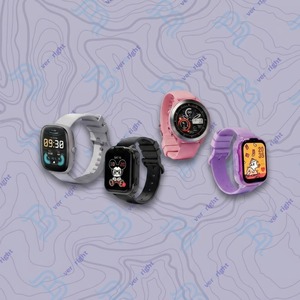
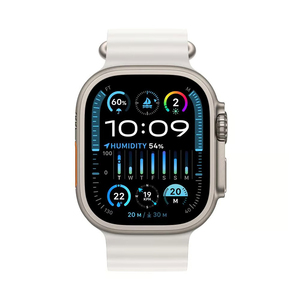
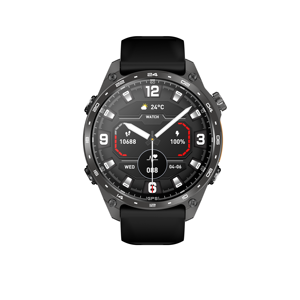
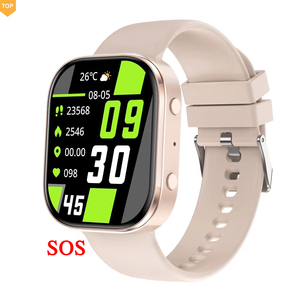
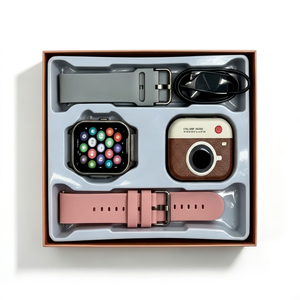
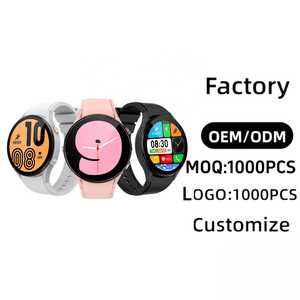
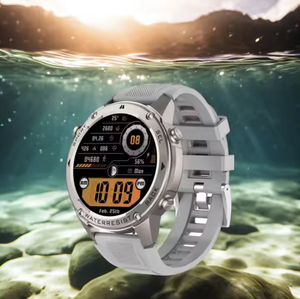
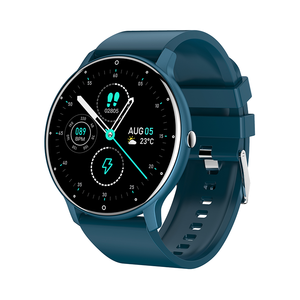
In the rapidly evolving landscape of wearable health technology, China’s manufacturing ecosystem has transitioned from producing basic consumer step-trackers to engineering highly sophisticated medical-grade wearable telemetry devices. At the apex of this paradigm shift is the Dual-Probe Smartwatch Architecture—a technological breakthrough that significantly enhances signal fidelity, reduces motion artifacts, and improves photoplethysmography (PPG) and electrocardiography (ECG) data acquisition accuracy.
As international buyers, healthcare brand distributors, and B2B importers evaluate prospective manufacturing partners in China, understanding the underlying optical, mechanical, and algorithmic parameters of dual-probe systems becomes vital. Single-sensor smartwatches historically suffered from signal degradation caused by tissue movement, ambient light intrusion, skin tone variance, and micro-vascular displacement. China's top tier-1 wearable manufacturers have solved these systemic bottlenecks through dual-probe differential sensing, combining dual-wavelength multi-LED arrays with dual-photodiode channels.
Modern dual-probe smartwatches manufactured in China’s advanced Shenzhen and Dongguan technology hubs utilize two primary structural implementations:
Engineering Specifications Driving Higher Precision, Clinical Compliance, and Enterprise Value
Employs dual green (535nm) and dual infrared (940nm) light channels to penetrate deeper microvascular beds, enabling accurate blood oxygenation (SpO2) and pulse wave velocity (PWV) monitoring across diverse skin tones.
Integrated dual-probe stainless steel/titanium electrodes allow 30-second single-lead ECG recording, processing vector cardiography inputs to identify early signs of Atrial Fibrillation (AFib) and Premature Ventricular Contractions (PVC).
Incorporates sub-miniature micro-air pumps capable of generating up to 300 mmHg inflation pressure, coupled with dynamic piezoresistive pressure sensors to deliver true oscillometric cuff-based blood pressure readings.
For B2B buyers evaluating hardware specifications for private-label deployment or institutional healthcare supply, the matrix below highlights technical performance metrics between standard consumer smartwatches and specialized dual-probe architectures:
| Engineering Benchmark | Standard Single-Probe Smartwatch | Enterprise Dual-Probe PPG Smartwatch | Flagship Dual-Probe Air-Pump Smartwatch |
|---|---|---|---|
| Optical LED / PD Configuration | 1 Emitter + 1 Receiver | 4 Emitters + 2 Independent Photodiodes | Multi-LED PPG + Micro Pressure Transducer |
| Signal-to-Noise Ratio (SNR) | Moderate (< 45 dB) | High (> 58 dB) | Ultra-High (> 65 dB Dual Signal) |
| Motion Artifact Mitigation | Software Filtering Only | Hardware Differential + Vector Filtering | Physical Air-Cuff Isolation + Hardware Filtering |
| Blood Pressure Method | Pulse Transit Time (PTT Estimate) | Calibrated PTT + Arterial Compliance Algorithm | True Oscillometric Inflation Deflation Measurement |
| Skin Tone Calibration | Prone to light scattering absorption error | Dynamic Multi-Wavelength Gain Auto-Control | Direct Pressure Transduction Independent of Melanin |
| Compliance Target | Consumer Wellness / Fitness Grade | CE-MDR Class IIa / ISO13485 Readiness | Medical Grade Telehealth & RPM Integration |
As global consumer demand pivots from passive activity logging toward proactive metabolic and cardiovascular management, Chinese manufacturers are driving significant technological advancements. OEM/ODM buyers should align their product roadmaps with the following strategic trends:
The integration of dual-probe optical spectroscopy operating within short-wave infrared (SWIR) wavelengths allows non-invasive sensing of interstitial fluid glucose variations. Coupled with machine learning algorithms trained on vast clinical datasets, future dual-probe devices deliver continuous glucose trends and blood lipid indicators without needle punctures.
Legacy air-pump smartwatches were often bulky. China’s micro-fabrication breakthroughs have introduced MEMS-based micro-air pumps measuring less than 4mm in thickness. This enables sleek, stylish form factors indistinguishable from high-end fashion smartwatches while delivering real cuff-based physiological measurements.
Next-generation dual-probe wearables utilize low-power ARM Cortex-M55 and RISC-V architectures featuring embedded Neural Processing Units (NPUs). This allows real-time execution of complex arrhythmia detection algorithms directly on the device, minimizing latency and extending battery life to 10–14 days per charge.
Leading Chinese exporters are offering full-stack solutions beyond hardware. B2B buyers now receive turn-key hardware paired with customizable iOS/Android companion apps, HIPAA/GDPR-compliant cloud backends, and SDKs ready for integration into hospital RPM platforms.
China commands over 85% of the world’s wearable device supply chain capacity. Premier dual-probe smartwatch manufacturers offer unparalleled industrial advantages:
From cleanroom SMT chip placement, optical lens tooling, and biocompatible silicone/leather strap manufacturing to final automated calibration, top China facilities reduce production lead times by up to 40%.
Leading exporters comply with ISO9001, ISO13485 medical quality management, CE, FCC, RoHS, and TELEC certifications. Every smartwatch undergoes 100% 3ATM/5ATM hydrostatic pressure testing and optical signal calibration.
Key Technical, Regulatory, and Commercial Considerations for Buyers and Importers
Dual-probe smartwatches provide significant differentiation in a crowded consumer electronics market. By offering higher accuracy signal acquisition, reduced motion noise, and support for continuous health metrics (blood pressure trends, ECG, SpO2), brands can position these devices at higher price points, targeted at health-conscious consumers, senior care providers, and corporate wellness programs.
Tier-1 OEM/ODM factories implement multi-wavelength dynamic LED driving algorithms. The dual-probe architecture automatically adjusts gain and current intensity for green, red, and infrared channels based on detected skin tone and tissue density, ensuring consistent signal amplitude regardless of user skin tone or subcutaneous fat thickness.
Standard neutral wholesale orders typically start at low MOQs (50–100 units). Custom private-label branding (logo laser etching, custom packaging, localized user manuals) usually requires 500 to 1,000 units. Full ODM custom hardware or customized housing molds start at 3,000 units with a sample prototype turnaround of 15 to 30 days.
Products are manufactured under ISO13485 quality systems and come equipped with CE, RoHS, and FCC compliance. Depending on your target region and market positioning, devices can be imported as wellness monitors or submitted for regional FDA Class II / CE-MDR clearance using technical construction files (TCF) provided by the factory.
Yes. Chinese exporters offer white-label app customization services. This includes rebranding the app UI with your corporate logo, theme colors, custom domain backends, and app store publishing support on both Apple App Store and Google Play Store.
Factory partnerships include a 1-year comprehensive hardware warranty, spare parts provision (0.5%–1% defect reserve allowance), dedicated technical support for SDK firmware integration, and continuous over-the-air (OTA) software bug fixes throughout the product lifecycle.
Whether you require ready-to-ship stock, private-label OEM branding, or complete custom ODM dual-probe hardware development, our engineering team delivers market-leading precision, compliance, and competitive factory pricing.