The global wearable device industry has completed a fundamental transition from recreational step-counting gadgets to clinical-grade, non-invasive continuous health monitoring systems. Driven by aging global demographics, escalating healthcare expenditure, and consumer demand for proactive wellness monitoring, global brand owners, importers, and healthcare enterprises now require manufacturing partners capable of delivering advanced sensor integration, validated biometric algorithms, robust IP67/IP68 hardware enclosures, and zero-subscription cloud ecosystems.
This industry whitepaper evaluates the engineering paradigms, quality control protocols, manufacturing specifications, and supply chain criteria necessary to identify top-tier health tracker watch manufacturers and factories. By examining sensor fusion capabilities (optical PPG blood pressure estimation, single-lead ECG, non-invasive blood glucose trend analysis, blood oxygen SpO2 monitoring, and oscillometric air-pump technology), enterprise buyers can navigate vendor selection with analytical precision.
Directly manufactured solutions engineered for global healthcare brands, cross-border e-commerce distributors, and B2B corporate wellness programs.
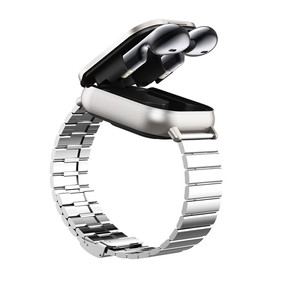
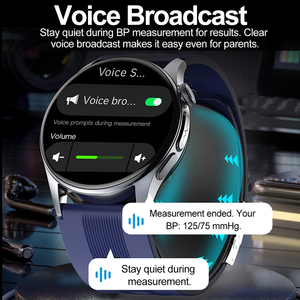
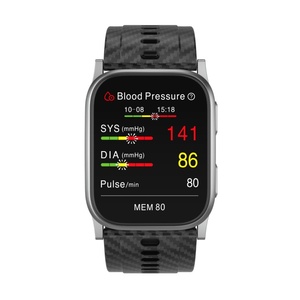
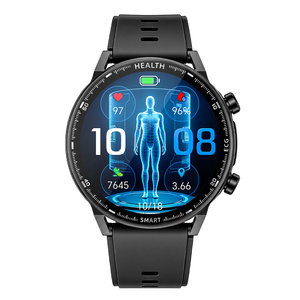
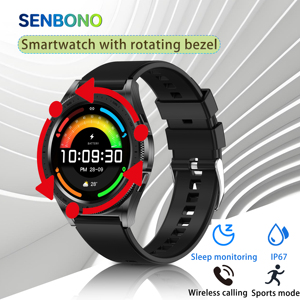
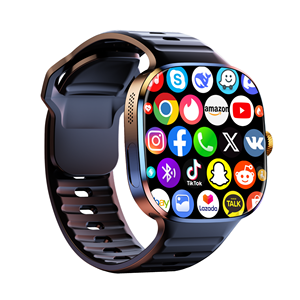
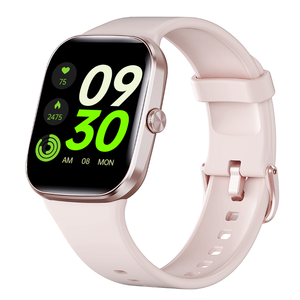
High-precision health watches demand rigorous hardware-software integration across multiple engineering disciplines.
Unlike standard optical estimation, leading factories integrate micro-air pumps and inflatable wrist cuffs within watch casings. This physical measurement technique achieves true pressure validation with accuracy within ±3 mmHg, meeting clinical standards.
Combining stainless steel or titanium alloy bezel electrodes with high-gain Analog Front-End (AFE) chips enables 30–60 second electrocardiogram waveform recording. Advanced factory algorithms filter out muscle artifact noise for clear P-QRS-T wave visual analysis.
Utilizing multi-wavelength photoplethysmography (PPG) and thermal sensors, advanced microprocessors monitor metabolic optical absorption changes post-prandial, providing non-invasive wellness glucose reference trends without fingerstick pricks.
Leading factories employ automated dispensing machines, double-injection molded thermoplastic frames, and high-pressure pneumatic chamber testing to ensure 100% waterproof compliance for swimming, showering, and tactical operations.
Incorporating Android OS, SIM card slots, and high-performance baseband processors allows modern health trackers to function as standalone emergency alert platforms with autonomous GPS tracking, SOS calling, and app market access.
Top ODM suppliers provide customizable iOS/Android companion mobile applications enabling encrypted multi-tiered data authorization. Family members or remote care personnel can review real-time vital trends without monthly subscription fees.
Selecting a reliable smart watch manufacturing partner requires auditing structural engineering competencies, hardware supply chain transparency, quality control infrastructure, and software SDK flexibility. Importers and enterprise buyers must evaluate factories based on four structural pillars:
A top-tier factory must possess cleanroom SMT production lines and automated optical calibration benches. Optical sensors (Osram, Texas Instruments, Maxim Integrated) must be calibrated against blackbody light absorbers to prevent ambient interference. Furthermore, skin tone calibration algorithms are essential to maintain pulse oximetry (SpO2) and heart rate variability (HRV) accuracy across diverse end-user demographics.
Enterprise buyers rarely sell hardware alone; hardware must seamlessly integrate into software environments. Top ODM factories provide complete API documentation, Bluetooth Low Energy (BLE 5.2/5.3) protocol specifications, and customizable SDKs. This allows brand owners to white-label companion mobile applications, link biometric feeds directly to hospital electronic health record (EHR) systems, or deploy corporate health tracking dashboards.
Depending on target market classification, health tracker watches fall under general wellness wearables or medical diagnostic devices. Qualified manufacturers assist brand partners in achieving global compliance including CE MDR, FCC, RoHS, REACH, and FDA 510(k) clearance pathways. Factory quality systems must strictly operate under ISO 13485 certified medical manufacturing protocols.
Mass production failure rates must be suppressed below 0.3%. High-standard manufacturing facilities subject 100% of finished watches to multi-stage testing: high/low temperature operational burn-in (-20°C to 60°C), micro-drop shock impact testing (1.5 meters onto steel), tumble testing, salt spray corrosion testing for metallic plating, and automated touchscreen response validation.
An engineering breakdown of component selection across different manufacturing tiers.
| Technology Spec | Consumer Fitness Watch | Advanced Health Tracker (FITVII Standard) | Medical Oscillometric Air-Pump Watch |
|---|---|---|---|
| Main Chipset / MCU | Basic MCU (JL / Realtek) | High-Performance Nordic nRF52840 / Realtek Low-Power | Dual Engine Microcontroller + Air Pump Controller |
| Optical Sensors | Single-green LED PPG | Multi-wavelength Red + Infrared + Green PPG Array | Precision PPG + Micro Air Pressure Transducer |
| Blood Pressure Method | Algorithmic PPG Trend only | Calibrated PPG Optical Waveform Analysis | Physical Oscillometric Cuff Inflation (±3 mmHg) |
| ECG Capability | None | Single-Lead Electrodes with TI / Maxim AFE | Integrated High-Gain Electrodes with Waveform Export |
| Waterproof Grade | IP67 Basic Splashes | IP68 / 50M Pressure Sealed Structural Housing | IP67 Sealed Housing with Air Duct Protection |
| App Subscription Fee | Varies ($5 - $15/mo) | $0 / Lifetime Free Zero Subscription | $0 / Lifetime Free Zero Subscription |
As the global market matures, buyers must align their product development roadmaps with upcoming technical evolutions in smart wearable factory R&D:
The next generation of air-pump blood pressure watches will shrink pump motor dimensions by 40% while doubling inflation speed. Micro-solenoid valves integrated directly into watch lugs will allow slim, elegant casing designs suitable for daily office wear without bulkiness.
R&D teams are actively combining multi-spectral optical reflectance with electrochemical impedance spectroscopy (EIS). Within the next 3 to 5 years, top factories will roll out non-invasive trend estimates for uric acid (gout risk management) and blood lipid profiles directly from wrist-worn platforms.
Integration of 6-axis accelerometers and gyroscopes coupled with machine-learning fall-detection algorithms will become standard in senior care watches. Coupled with eSIM 4G/5G capabilities, these devices will instantly broadcast dual-way emergency audio calls and exact GPS location coordinates to caregivers upon impact detection.
European and North American markets are demanding recycled aluminum alloys, ocean-bound plastic straps, bio-based TPU materials, and plastic-free minimal packaging. Leading smart watch factories are transitioning to solar-powered SMT lines and implementing full carbon-footprint tracking across sub-tier suppliers.
Rooted in over a decade of dedicated health monitoring R&D and backed by direct consumer validation from tens of thousands of users globally, FITVII offers brand owners, retailers, and distributors an unmatched manufacturing foundation:
Direct answers to critical questions faced by buyers, brand developers, and supply chain managers.
Optical PPG wrist health watches measure pulse wave velocity and blood vessel compliance to estimate blood pressure trends over time. For maximum trend precision, devices must be calibrated against a traditional upper-arm cuff monitor while resting quietly. For physical cuff accuracy on the wrist, air-pump oscillometric watches (such as the CARE AIR 2 or S200 series) utilize micro-inflatable airbags to provide physical pressure readings within clinical tolerances (±3 mmHg).
No. Non-invasive blood glucose features provide general wellness reference estimates by tracking optical absorption changes post-meals. They are designed for lifestyle pattern awareness and early metabolic fatigue detection. They are not intended for medical diagnosis, diabetic insulin dosing, or replacing invasive fingerstick monitors/CGMs.
Standard factory OEM branding (laser-etched logo on watch backcase, customized boot screen, custom gift box, and instruction manual) typically starts at 500 to 1,000 units per model. For off-the-shelf catalog wholesale orders, minimum order quantities can start as low as 50 to 100 units with immediate dispatch capabilities.
Wearers maintain 100% control over their biometric data. Through the companion application, the wearer must explicitly authorize specific family members or caregivers via email invitation. Data transmission is encrypted via AES-128 end-to-end security protocols. Wearers can revoke access permissions instantly at any time.
No. All standard companion application features—including single-lead ECG wave generation, continuous SpO2 logging, blood pressure trend analysis, sleep staging, and family remote care sharing—are provided lifetime subscription-free with zero monthly recurring costs.
Factory export documentation includes CE, RoHS, FCC, UN38.3 (lithium battery safety certification for air freight), MSDS, IP67/IP68 ingress protection laboratory test reports, and FDA device registration documentation depending on specific product lines.
All devices include a 1-year factory warranty covering hardware micro-components and display assemblies. Standard quality assurance workflows include spare parts provisioning (1% buffer components for high-volume orders) or direct replacement under 45-day return terms for eligible evaluation batches.
Custom structural industrial design (ID) and structural engineering (MD) tooling takes 30 to 45 days for metal/plastic injection mold creation. SMT board prototyping and firmware adaptation require 15 to 20 days. Once pre-production samples are approved, mass production delivery lead times range between 25 and 35 days.
Whether you are expanding an existing consumer electronics brand, establishing a telehealth remote monitoring service, or procuring high-volume health smartwatches for global distribution, our engineering team is ready to deliver tailored OEM/ODM solutions.