Direct from audited ISO13485-aligned manufacturing lines: High-precision PPG optical sensors, continuous SpO2, ECG+HRV telemetry, standalone 4G LTE emergency call, and fall detection modules engineered for enterprise remote care.
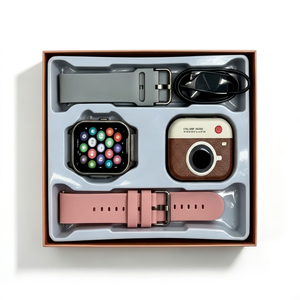
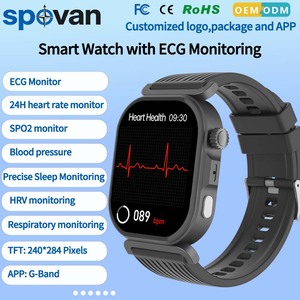
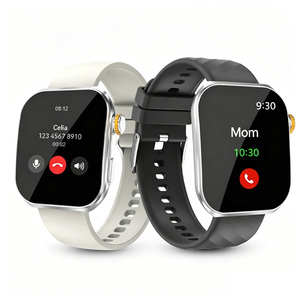
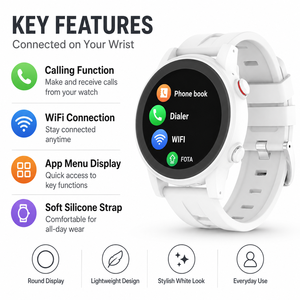
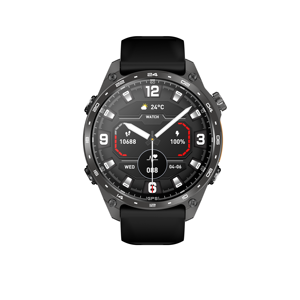
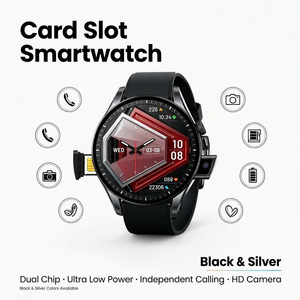
The global remote patient monitoring (RPM) and telehealth wearable ecosystem has entered a critical transition phase. Historically viewed as consumer fitness gadgets, medical-grade telehealth smartwatches are rapidly becoming core infrastructure for healthcare networks, chronic disease monitoring programs, insurance underwriters, and corporate wellness initiatives. Modern procurement teams no longer evaluate smartwatches solely on screen resolution or battery longevity; the priority has shifted toward sensor signal-to-noise ratios, API/SDK software flexibility, data security compliance (HIPAA & GDPR), and oscillometric/PPG algorithm validation.
According to current B2B supply chain data, global demand for OEM/ODM telehealth smart watches is growing at a CAGR of 21.4%. Strategic buyers require specialized hardware capable of transmitting validated biometrics—such as continuous blood pressure trends, single-lead Electrocardiograms (ECG), blood oxygen saturation (SpO2), HRV stress profiles, and continuous glucose trends—directly into hospital EHR systems (e.g., Epic, Cerner) or cloud-based remote telecare platforms.
Transitioning from optical estimation to physical inflatable wrist cuffs for clinical-grade BP accuracy.
Bypassing smartphone dependency for elderly wearers via direct e-SIM telemetry pipelines.
Providing open API bridges so enterprise buyers avoid recurring SAAS fees for raw sensor data.
When conducting supplier audits in major manufacturing hubs such as Shenzhen, Dongguan, and Taiwan, senior engineering directors look for specific manufacturing standards to ensure long-term device stability. Optical PPG sensors must utilize dual green and infrared wavelength LEDs combined with photodiode arrays to filter out motion artifacts. Furthermore, PCB layouts must feature dedicated electromagnetic shielding (EMI) around Bluetooth 5.3 and 4G radio antennas to prevent noise interference during sensitive cardiac ECG rhythm readings.
An authoritative industry review of leading global manufacturers, OEM/ODM solution providers, and biomedical wearable factories evaluated on engineering capacity, sensor precision, ISO compliance, and white-label SDK capabilities.
FITVII (operates via Svasthai core technology infrastructure) stands as a market leader in dedicated family care and remote patient monitoring wearables. Backed by a verified dataset of over 80,000 active consumer and institutional product reviews, FITVII specializes in high-accuracy blood pressure trend estimation, single-lead ECG rhythm recording, and non-invasive blood glucose trend algorithms.
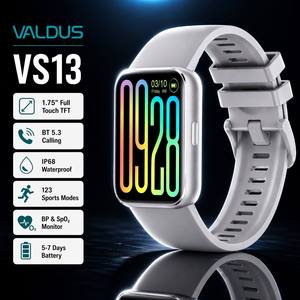
Valdus is a high-volume smart wearable factory operating over 12 SMT assembly lines. Specialized in combining fashion-forward aesthetic enclosures with biomedical sensors, Valdus caters to mid-to-large distributors seeking scalable OEM solutions with AI voice assistance and multi-sport tracking integration.
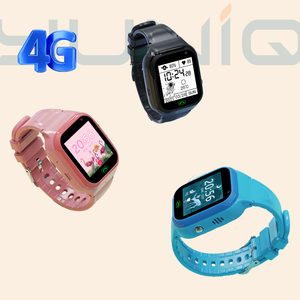
Yuniq is a prominent specialist in standalone cellular wearable tech. Their factory focuses heavily on 4G LTE-enabled devices featuring wide-angle cameras for HD video calls, dual-frequency GPS positioning, and fall detection triggers specifically targeted at pediatric anti-loss and senior telecare programs.
Tenfifteen focuses on high-performance smartwatches running full or lightweight Android operating systems. Featuring large storage capacities (such as 4GB onboard flash memory), their devices support offline map rendering, local health data logging, and complex standalone sensor processing.
Wearfit is known for its proprietary health algorithm development. Combining optical PPG sensor calibration with big-data health modeling, Wearfit offers ODM partners white-label wearables that track blood sugar trends, uric acid estimations, and continuous body temperature fluctuation.
Cover Technology specializes in precision tooling and ergonomic enclosure design for health smartwatches. Their factory provides rapid 3D prototyping, CNC metal alloy machining, and custom silicone/nylon strap molding tailored for medical-grade skin allergy compliance.
Kospet is a prominent manufacturer of ultra-ruggedized smartwatches. Designed for extreme operational environments, their telecare wearables combine military-grade impact testing with heart rate, blood oxygen, and emergency location telemetry.
Zeblaze focuses on lightweight, high-efficiency smartwatches equipped with low-power Dialog and Realtek microcontrollers. Their OEM products excel in continuous 24/7 background heart rate and blood oxygen logging with minimal battery drain.
Lemfo provides diverse wearable lines ranging from basic fitness trackers to advanced eldercare SOS watches. Their factory offers extensive firmware UI customization, allowing medical brands to restrict user menus to simplified, large-font health interfaces.
Colmi specializes in budget-conscious smartwatch hardware designed for promotional healthcare campaigns, corporate wellness giveaways, and entry-level remote monitoring programs requiring essential heart rate and step telemetry.
Key architectural specifications procurement teams must analyze when sourcing telehealth smartwatch hardware for institutional health programs.
| Feature / Sensor Standard | FITVII / Svasthai OEM | Standard Consumer OEM | Clinical RPM Grade |
|---|---|---|---|
| Blood Pressure Method | Inflatable Air Pump + PPG Wave Trend | Optical PPG Algorithm Only | Oscillometric Upper Arm Cuff |
| ECG Rhythm Strip | Single-Lead Electrodes (30-60s) | Rare / Basic HR Only | 12-Lead Clinical ECG |
| Blood Glucose Trend | Non-Invasive Spectral Estimation | Not Available | Invasive Fingerstick / CGM |
| Cellular Option | 4G LTE Standalone + Fall SOS | Bluetooth Tethering Only | Dedicated Gateway / Cellular |
| Data Privacy & SDK | Zero Monthly Fee Open API / SDK | Closed App / Proprietary Cloud | HIPAA / EHR Direct Pipe |
| Battery Endurance | 7–12 Days Active Operation | 1–2 Days (Frequent Charging) | 24–48 Hours Continuous transmit |
Next-generation smartwatches are integrating multi-wavelength optical spectrographs capable of monitoring glucose fluctuation trends and uric acid indicators without painful needle pricks.
Micro-pumps integrated directly into watch straps allow true physical air compression, bridging the gap between estimated optical BP and clinical arm cuffs.
On-chip neural processing units (NPUs) analyze 6-axis accelerometer & gyroscope data in real-time, reducing false-positive fall alerts by over 94%.
Procurement directors must prepare for tightening regulatory oversight. While wellness smartwatches do not require FDA 510(k) clearance for general health awareness, devices marketed for diagnostic telecare must adhere to ISO 13485 quality systems and maintain robust documentation for CE MDR compliance in Europe.
Leverage our proven manufacturing framework, extensive biometric dataset, and customizable software pipeline for your telecare initiative.
Our biometric algorithms are continuously refined using real-world data from over 80,000 active users, ensuring superior signal stability across diverse skin tones, age groups, and activity profiles.
Unlike closed consumer ecosystems, we provide enterprise clients with direct access to raw BLE data packets, Bluetooth SDKs, and REST APIs, eliminating ongoing monthly SAAS licensing fees.
Integrated multi-user app architecture enables adult children or authorized healthcare coordinators to monitor real-time wellness trends, receive fall alerts, and check daily heart health remotely.
Streamlined manufacturing and localized fulfillment networks enable rapid batch production, custom logo laser engraving, and flexible international drop-shipping capabilities.
Direct answers to critical questions raised by procurement managers, healthcare integrators, and OEM brand owners.
Optical PPG smartwatches estimate blood pressure trends by analyzing pulse-wave velocity and arterial compliance. While highly effective for tracking relative daily fluctuations and nocturnal spikes, optical devices should be initial-calibrated against a validated upper-arm cuff monitor for optimal trend accuracy. For clinical-grade measurements, our micro-air-pump models (CARE AIR 2) utilize physical inflatable cuffs.
Yes. We offer comprehensive Android and iOS SDKs along with RESTful cloud APIs. Enterprise engineering teams can receive real-time data streams including heart rate, SpO2, ECG rhythm recordings, step counts, and fall alert notifications directly into custom telehealth portals without paying recurring platform fees.
Our manufacturing lines operate under ISO 13485 and ISO 9001 certified quality management systems. Standard products carry CE, FCC, RoHS, and UN38.3 (battery transport safety) compliance certificates. Medical clearance documentation can be coordinated for specialized OEM production runs.
For standard unbranded or sample evaluation batches, our MOQ starts at just 10 units. For custom logo laser engraving, custom packaging, and tailored firmware boot screens, standard OEM MOQs typically start at 500 to 1,000 units depending on the model complexity.
Our senior-focused smartwatches utilize high-precision 6-axis motion sensors (3-axis accelerometer + 3-axis gyroscope) paired with edge AI algorithms. When a sudden high-G impact followed by a period of immobility is detected, the watch automatically triggers an audible warning and initiates emergency SOS calls/SMS messages containing GPS coordinates to designated caregivers.
No. Non-invasive glucose tracking on smartwatches utilizes spectrographic PPG trend estimations for general wellness and post-meal trend reference. It serves as an early-warning wellness tool and does not replace diagnostic invasive fingerstick blood meters or medical CGMs for diabetes therapy management.
No. FITVII smartwatches and our standard companion software operating frameworks are 100% subscription-free. All health metrics, historical data logging, and family sharing functionality operate without recurring monthly charges.
All official enterprise hardware purchases include a standard 1-Year limited hardware repair/replacement warranty, supported by dedicated 1-on-1 technical assistance, sample engineering evaluation, and a 45-day return window for sample evaluation batches.