High-demand OEM/ODM wearable models engineered for accuracy, longevity, and seamless cross-platform integration across iOS and Android ecosystems.
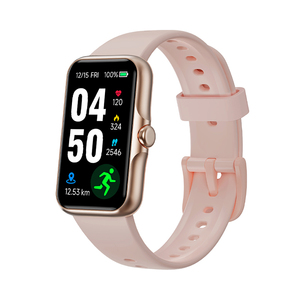
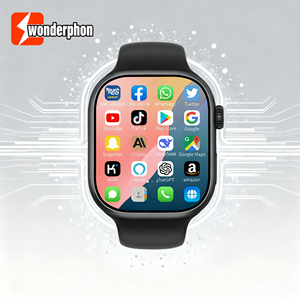
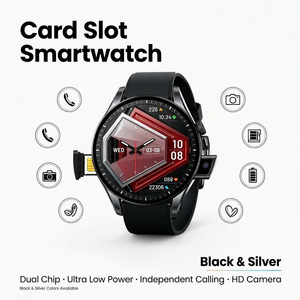
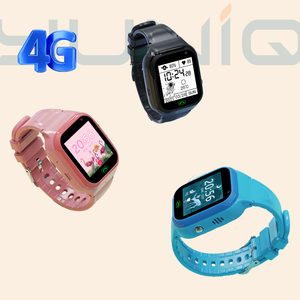
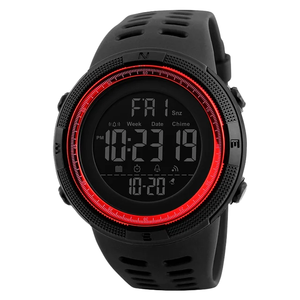
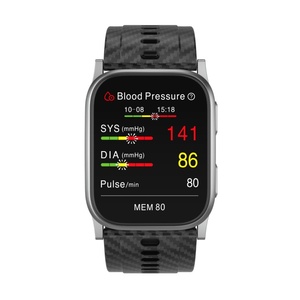
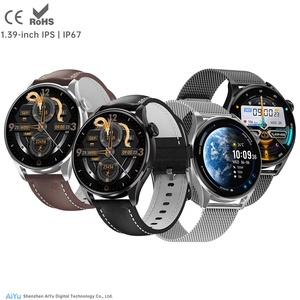
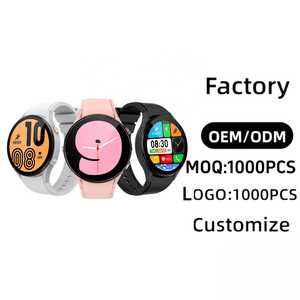
The global wearable technology ecosystem has undergone a massive paradigm shift. Fitness trackers are no longer mere digital step counters or simple calorie monitors; they have transformed into sophisticated personal health management portals. As a tier-one China Smart Fitness Tracker Manufacturer & Supplier, our manufacturing baseline integrates micro-electronics, multi-spectral optical Photoplethysmography (PPG), electrocardiogram (ECG) telemetry, and advanced machine learning algorithms. Global brand owners, healthcare distributors, and consumer electronics importers face increasing pressures to deliver high-precision hardware backed by robust compliance, white-label mobile app software ecosystems, and transparent supply chain resilience.
China's Pearl River Delta—specifically Shenzhen and Dongguan—remains the epicenter of smart wearable research, hardware prototyping, micro-SMT (Surface Mount Technology) assembly, and automated quality assurance. Sourcing directly from an established OEM/ODM partner grants brand buyers an unmatched competitive edge: access to direct factory pricing, expedited time-to-market cycles, comprehensive SDK/API integration options, and strict adherence to global regulatory frameworks including CE, RoHS, FCC, and ISO13485 medical device management systems.
Our industrial production capabilities are tailored specifically for international brands requiring scalable, fault-free OEM/ODM execution. Drawing from extensive empirical data and standardized operating procedures across our manufacturing lines, we address the primary pain points of global importers: hardware stability, sensor drift, battery degradation, and waterproofing longevity.
Our manufacturing facilities operate Class 100,000 cleanroom environments dedicated to optical sensor mounting and high-density PCB layout assembly. Utilizing high-speed Panasonic and Yamaha SMT lines, every mainboard (featuring low-power Nordic, Realtek, or Dialog SoCs) undergoes 3D Automated Optical Inspection (AOI) to eliminate cold solder joints, bridge shorting, and component misalignments prior to encapsulation.
Optical PPG biosensors are highly susceptible to motion artifacts and ambient optical interference. To guarantee research-grade signal integrity, every fitness tracker unit undergoes dual-stage factory testing:
To support real-world consumer use—from intensive athletic sweat exposure to continuous aquatic swimming—all wearable chassis undergo rigorous stress testing prior to bulk packaging:
| Test Type | Test Standard & Methodology | OEM Quality Threshold |
|---|---|---|
| Water Ingress Protection | Dual-chamber vacuum & pressure immersion testing (IP67 / IP68 / 5ATM) | 0% moisture ingress at 50m equivalent static pressure for 60 mins |
| Battery Cycle Longevity | Seiko/Tianshi protection IC load test; 500 charge-discharge cycles | ≥85% original capacity retention post 500 cycles |
| Thermal Shock Resilience | Extreme temperature cycling (-20°C to +60°C) inside dynamic climate chambers | Zero structural deformation; seamless chip boot post-exposure |
| Mechanical Drop & Abrasion | 1.5-meter free-fall impact onto granite; tumble tester over 1,000 rotations | Structural integrity intact; screen scratch resistance ≥6H Mohs scale |
The consumer wellness market is shifting rapidly from passive activity recording to proactive health telemetry. Understanding these technology vectors is essential for global buyers planning product roadmaps over the next 3 to 5 years.
Integration of low-power ECG analog front-ends (AFE) paired with dry electrodes allows wearers to record 30-to-60-second electrocardiograms on demand. Advanced algorithm stacks detect premature ventricular contractions (PVCs) and early signs of Atrial Fibrillation (AFib).
Moving beyond basic optical pulse wave analysis (PWA), next-gen models utilize dual-sensor fusion—combining high-frequency PPG with pressure sensors or micro-inflatable wrist bladders to provide actionable blood pressure trend monitoring and real-time systolic/diastolic insights.
Utilizing multi-wavelength optical absorption spectroscopy and interstitial fluid simulation algorithms, modern health trackers track glycemic fluctuations post-meals without painful needle sticks, establishing vital wellness reference baselines.
By monitoring Heart Rate Variability (HRV) during sleep cycles, wearable firmware categorizes light, deep, and REM sleep stages while calculating daily physical recovery scores and autonomic nervous system stress indicators.
Single-chip dual-mode Bluetooth Architecture (BT 5.3 BLE + Classic Audio) dramatically reduces energy consumption while enabling crystal-clear wrist voice calls, SMS notifications, and rapid background data synchronization with companion apps.
Multi-user software solutions allow aging parents or isolated family members to share authorized health telemetry (BP, SpO2, heart rate alerts, fall warnings) directly with remote caregivers via encrypted cloud backend infrastructures.
The corporate procurement landscape for electronic fitness trackers has evolved. Global distributors and private brands are shifting away from off-the-shelf white-label items toward highly tailored OEM/ODM strategies. Here are the core sourcing trends dominating the market:
Brand owners no longer need to spend 12 months developing custom tooling from scratch. Leading China manufacturers provide modular ID (Industrial Design) and MD (Mechanical Design) platforms. Importers can select proven motherboard architectures, swap sensor arrays (e.g., add temperature or ECG), select custom casing finishes (Zinc alloy, Stainless steel, PVD Champagne gold), and customize silicone, leather, or woven nylon straps within 30 to 45 days.
Hardware without secure software is obsolete. Enterprise buyers prioritize manufacturers offering complete mobile application SDKs (iOS Swift / Android Kotlin) or ready-to-publish white-label apps. Furthermore, compliance with global data protection laws—such as GDPR in Europe and HIPAA guidelines in North America—is mandatory. Modern wearable cloud architectures ensure user data is routed through localized AWS/Google Cloud servers with strict AES-256 encryption.
End-consumers are increasingly fatigued by recurring monthly app subscription fees imposed by major consumer brands. B2B importers are capitalizing on this by offering feature-rich health tracking hardware with zero monthly app subscription fees. This value proposition has driven massive sales volume across direct-to-consumer (D2C) eCommerce channels and retail pharmacy networks.
Sourcing low-cost electronics without reliable after-sales support poses immense brand liability. Reputable China suppliers now offer contractual warranty frameworks, including 45-day return windows, 1-year product replacement/repair coverage, dedicated spare parts allocations (batteries, display modules, straps), and multi-lingual technical customer service manuals.
Selecting the right China smart fitness tracker supplier requires systematic evaluation. To mitigate supply chain bottlenecks and guarantee consistent production yields, purchasing directors should evaluate potential manufacturing partners against four structural pillars:
| Evaluation Pillar | Critical Sourcing Requirements | Manufacturer Verification Method |
|---|---|---|
| R&D Capability | In-house software engineers, firmware developers, optical algorithm team | Review patent portfolio, SDK documentation, software update frequency |
| Certifications | ISO9001, ISO13485 (Medical Devices), CE-RED, FCC ID, RoHS 2.0, REACH | Request third-party audit reports from SGS, TÜV Rheinland, or Intertek |
| Production Capacity | Minimum 300,000 units/month capacity, automated testing jigs | On-site cleanroom audit or real-time high-definition video factory tour |
| Supply Chain Control | Tier-1 battery suppliers, genuine high-resolution IPS/AMOLED display panels | Audit Component Bill of Materials (BOM) trace records |