Direct factory supply featuring multi-wave PPG optical sensors, high-precision telemetry, and turn-key custom branding options.
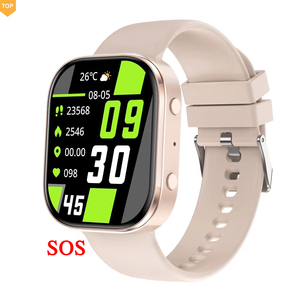
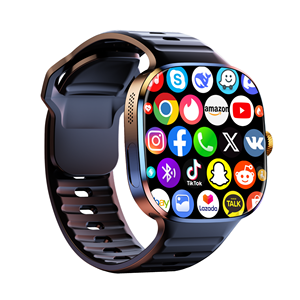
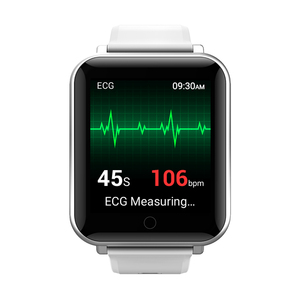
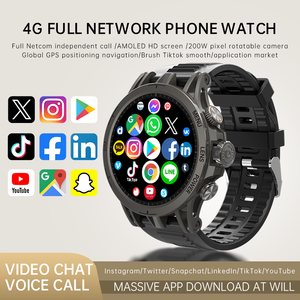
An authoritative evaluation of PPG optical sensing, spectroscopic analysis, multi-sensor algorithms, and regulatory benchmarks for B2B distributors and healthcare suppliers.
Non-invasive blood glucose estimation relies on advanced multi-wavelength Photoplethysmography (PPG). By emitting specific light spectra (green, red, and near-infrared light around 850nm–940nm) into dermis tissues, sensors detect subtle changes in vascular absorption caused by glucose concentration shifts.
Raw optical signals alone cannot provide precise glucose estimations due to skin temperature and perspiration fluctuations. Commercial-grade glucose smartwatches integrate ECG electrodes, galvanic skin response (GSR), and micro-thermistors to dynamically adjust signal noise.
To adhere to Search Quality Guidelines and transparent marketing, suppliers must clearly differentiate non-invasive optical trend monitoring from invasive Continuous Glucose Monitors (CGMs) or blood-drawing fingerstick devices (BGM).
Understanding the hardware parameters and functional trade-offs is essential for volume buyers, medical distributors, and private-label brands evaluating OEM smartwatch architectures.
| Technology Standard | Sensing Mechanism | Consumables Required | Sampling Frequency | Primary B2B Target Market |
|---|---|---|---|---|
| Non-Invasive Optical PPG | Multi-wavelength spectral pulse absorbency | None (Zero recurring cost) | Continuous / Every 10-15 Mins | Consumer Wellness, Senior Care, Remote Telehealth |
| Invasive CGM Transmitters | Sub-dermal enzymatic filament sensor | High (Sensors replaced every 7-14 days) | Continuous (Every 1-5 Mins) | Clinical Diabetes Management (Type 1 / Type 2) |
| Capillary Fingerstick (BGM) | Electrochemical blood glucose strip test | High (Single-use lancets & test strips) | Manual Point-in-time test | Clinical Diagnostics & Standard Calibration |
| Micro-Fluidic Sweat Patch | Transdermal sweat metabolite extraction | Medium (Disposable patch wear) | Intermittent post-exercise | Sports Performance & Specialized Fitness |
What corporate buyers, medical equipment suppliers, and consumer electronics brands need to know when planning hardware roadmaps for 2026 and beyond.
Standalone step-counters and basic heart-rate monitors are being rapidly phased out. Sourcing managers are consolidating requirements into multi-functional platforms that combine non-invasive blood glucose trend tracking, single-lead ECG rhythm recording, air-pump inflatable blood pressure cuffs, blood oxygen (SpO2), body temperature, and HRV stress metrics into a single casing.
End consumers and enterprise buyers are actively rejecting monthly SaaS fees for basic biometric viewing. Sourcing trends show high conversion rates for hardware manufacturers supplying free companion apps featuring built-in Family Remote Care. Wearers can authorize loved ones or remote caregivers to monitor real-time glycemic trends without ongoing subscription overheads.
Institutional buyers—such as corporate wellness managers, health insurance providers, and digital health software platforms—increasingly demand open Bluetooth SDKs and API connectors. Modern manufacturing partners must provide customized SDK access to transmit continuous glucose trends directly into Apple HealthKit, Google Health Connect, or proprietary hospital EHR engines.
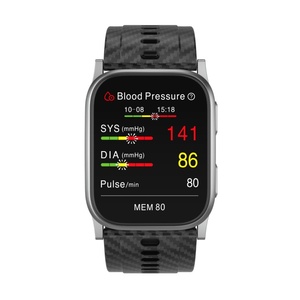
For high-tier senior care procurement, hardware design is moving towards dual-mode monitoring. By combining non-invasive optical glucose sensors with ultra-compact wrist air pumps (such as in CARE AIR series architectures), users get true oscillometric blood pressure validation paired with continuous optical glucose tracking.
Importers in the US, EU, and UK require suppliers to maintain rigorous compliance documentation. Modern factory partners must support RoHS, CE-MDR registration, FCC, and ISO13485 medical device quality system certifications to streamline custom clearance and shield distributors from legal exposure.
Continuous optical spectroscopy requires significant battery capacity. Next-generation procurement specs emphasize ultra-low-power BLE 5.3 microcontrollers and high-density battery cells capable of delivering 7 to 12 days of operation per charge, eliminating the need for daily recharging.
From optical algorithm calibration to final mass packaging, our manufacturing eco-system offers full lifecycle support for international brands, distributors, and healthcare providers.
Complete turn-key customization including custom CNC alloy watch cases, custom laser-etched brand logos, bespoke retail packaging, custom boot animations, and fully white-labeled iOS/Android mobile apps.
Our state-of-the-art production facilities feature cleanroom manufacturing, automated optical sensor calibration rigs, dynamic pressure testing chambers, and strict 100% aging tests on every batch.
Our in-house R&D engineering team consists of over 50 bio-sensor specialists, firmware developers, and machine learning experts dedicated to refining PPG optical accuracy and spectral filtering algorithms.
Streamlined export workflows with warehousing networks across North America and Europe. Typical US delivery fulfilled within 3 to 5 business days after dispatch, backed by a clear 1-year hardware warranty.
Our software ecosystem supports localized experiences in English, French, German, Spanish, Italian, Portuguese, and Irish, complete with detailed API docs and end-user setup video guides.
Zero risk for sourcing buyers: flexible 45-day sample evaluation windows, direct factory replacement policies, and dedicated 1-on-1 technical account managers to handle post-purchase support.
Detailed technical and commercial answers designed for OEM partners, wholesale buyers, and compliance officers.
Glucose smartwatches utilize optical PPG multi-spectral sensors and AI algorithmic models to estimate blood pressure trends and postprandial glucose fluctuations non-invasively. For optimal operational accuracy, users should calibrate the watch against a certified invasive fingerstick meter (BGM) or upper-arm blood pressure cuff during initial setup. Trend monitoring provides vital daily wellness insights and proactive metabolic awareness, though it is not designed to replace diagnostic clinical laboratory equipment.
No. Blood glucose values derived from optical smartwatches represent non-invasive trend estimations for general wellness and lifestyle reference. Individuals managing clinical Type 1 or insulin-dependent Type 2 diabetes must continue to rely on continuous subcutaneous glucose monitors (CGM) or capillary fingerstick meters as prescribed by their attending physicians.
We support flexible procurement tiers: standard wholesale orders of unbranded stock items start at just 10 to 50 units. Customized laser-etched branding and custom box packaging typically require an MOQ of 500 units. Full ODM customized watch cases, custom PCB engineering, and dedicated firmware SDK builds start at 1,000 units.
On supported models, wearers can authorize designated family members or remote care professionals to view real-time wellness telemetry (glucose trends, heart rate, ECG rhythm, fall alerts) via our companion app. Data telemetry is encrypted via AES-256 standards. Family sharing is completely optional, and the wearer retains master permission to grant or revoke remote access at any time.
No. Our factory philosophy centers on subscription-free accessibility. Neither end consumers nor corporate clients are required to pay monthly software subscriptions. Full app functionality—including historical health data logging, family sharing, sleep staging, and ECG report generation—is included with the hardware purchase.
Our production facilities operate under strict ISO13485 Medical Device Quality Management System protocols. Products hold CE, RoHS, FCC, and IP67/IP68 water-resistance certifications. Complete testing documentation and safety datasheets (MSDS for lithium batteries) are provided to facilitate smooth customs clearance.
All products include a standard 1-year comprehensive manufacturer warranty. Defective units falling within warranty terms can be swapped directly via our local USA/EU service centers or credited towards subsequent production orders during regular RMA evaluation cycles.
Request factory-direct wholesale price lists, order sample evaluation kits, or discuss custom OEM/ODM software integrations with our senior engineering team.