Delivering Medical-Grade Signal Stability, Multi-Parametric PPG/ECG Biosensor Integration, and Scale Sourcing Solutions for Global Healthcare Brands.
In the rapidly evolving digital health ecosystem, procuring from a Top Trusted Medical Wearable Watch Factory requires a strategic evaluation that extends far beyond consumer smartband assembly. True medical-grade manufacturing demands specialized Surface Mount Technology (SMT) precision lines, Class 100,000 dust-free cleanrooms, optical darkroom calibration chambers, and automated pneumatic pressure testing rigs. Our industrial operations integrate micro-fluidic air-pump calibration, optical photoplethysmography (PPG) noise-cancellation testing, and single-lead/multi-lead Electrocardiogram (ECG) waveform validation under strict ISO 13485 Quality Management Systems.
We empower enterprise brand owners, telehealth platforms, remote patient monitoring (RPM) providers, and medical device distributors with turnkey ODM/OEM solutions. From custom hardware design, SDK/API protocol integration for iOS and Android ecosystems, to regulatory dossier support (FDA 510(k), CE MDR Class IIa, FCC, RoHS), our factory ensures scalable manufacturing integrity with robust intellectual property protection.
High-Precision Wearable Devices Available for Bulk Sourcing, OEM Customization, and White-Label Distribution.
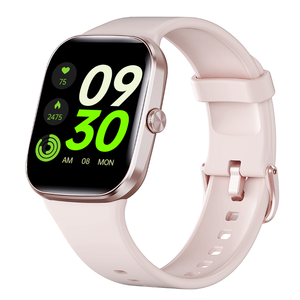
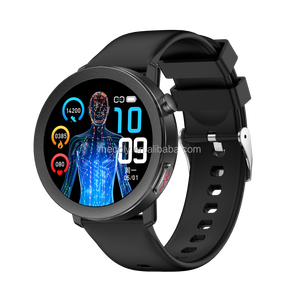
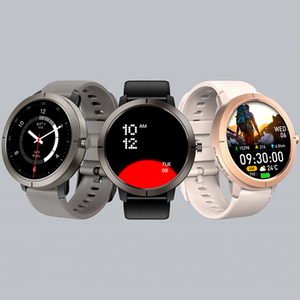
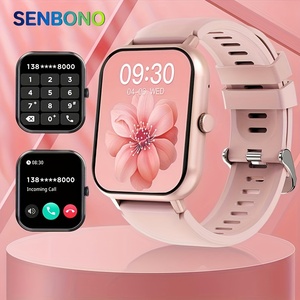
A Detailed Analysis of Hardware Integration, Micro-Pneumatics, Optical Algorithms, and Data Telemetry for Professional Buyers.
Unlike purely optical estimates, our medical-grade factory series incorporates micro-piezoelectric air pumps and ultra-thin inflatable wrist cuffs. Using oscillometric pressure transducer sensors, the device detects arterial pressure pulses during inflation, achieving clinical-grade systolic and diastolic measurement accuracy within ±3mmHg tolerance.
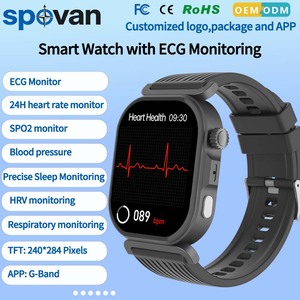
Engineered with titanium-coated dry electro-conductive bezels and high-gain differential bio-amplifiers (TI AFE4900 or analog equivalents), our ECG watches record standard lead-I cardiac vectors. Integrated AI algorithms filter baseline wander and muscular artifacts to assist in detecting Atrial Fibrillation (AFib), premature beats, and HRV parameters.
Utilizing green, red, and infrared LED optical arrays combined with multi-channel photodiode detectors, our biosensors capture oxygenated and deoxygenated hemoglobin light absorption ratios. This allows 24/7 continuous SpO2 continuous logging, sleep apnea screening, and nocturnal respiratory rate tracking.
| Biosensor Modality | Hardware Componentry | Clinical Reference Standard | B2B Customization Options |
|---|---|---|---|
| Oscillometric Blood Pressure | Piezoelectric pump, micro-cuff valve, silicon pressure transducer | AAMI / ESH / ISO 81060-2 Standards | Cuff size variants, automatic inflation intervals, manual calibration override |
| Single-Lead ECG | Stainless steel / Titanium electrodes, low-noise AFE board | ANSI/AAMI EC13 Lead-I Equivalent | Raw PDF export, SDK integration for telehealth systems, cloud AI arrhythmia API |
| Optical PPG Trend Tracking | Multi-LED array (860nm IR + 660nm Red + 525nm Green) | Clinical Arterial Blood Gas (ABG) correlation | Sampling frequency adjustment, motion-artifact filtering algorithm tweak |
| Non-Invasive Glucose Estimate | Multi-spectral optical absorption & thermal compensation biosensors | Metabolic baseline trend reference (General Wellness) | Interlocking algorithm firmware, daily fluctuation chart presets |
Strategic Market Vectors Driving OEM Sourcing Decisions in the Medical Wearable and Telehealth Sectors.
Procurement directors no longer face a trade-off between industrial clinical utility and sleek consumer electronics design. Future wearable manufacturing requires ultra-compact enclosure engineering. Brands demand thin zinc-alloy and aluminum-magnesium frames housing dual micro-pumps, multi-spectral PPG sensor stacks, and high-density 410mAh+ cobalt batteries without exceeding 12.5mm casing thickness.
Enterprise buyers are transitioning from stand-alone companion apps to fully integrated digital health software suites. Factory partners must provide native iOS CoreBluetooth and Android BLE SDKs, standardized JSON data payloads, and encrypted Bluetooth 5.3 data pipelines. This allows real-time telemetry transfer directly to hospital EHR systems, senior care dashboards, and HIPAA-compliant cloud storage.
Next-generation OEM devices leverage edge computing chipsets (Ambiq Micro, Nordic NRF5340) capable of running on-device neural network models. By continuously fusing PPG, ECG, galvanic skin response (GSR), skin temperature, and accelerometer data, the wearable can predict early physiological decompensation, stress spikes, sleep stage disruption, and fall events with lower false-alarm rates.
Global regulatory frameworks (EU MDR, REACH, RoHS, California Prop 65) now dictate raw material procurement for wearable factories. High-grade hypoallergenic medical silicone, fluororubber, surgical-grade 316L stainless steel, and nickel-free plated alloys are standard requirements to prevent contact dermatitis during 24/7 continuous wear.
Key Technical Criteria for Procurement Officers Evaluating Wearable Watch Factories.
Direct Answers to Critical OEM/ODM Procurement Concerns.
Our standard MOQ for neutral off-the-shelf bulk procurement is as low as 100 to 500 units per model. For custom brand logo silk-screening, customized packaging, and specialized laser engraving, MOQ typically starts at 1,000 units. For deep ODM projects involving custom tooling, MCU board spin, custom casing molds, and tailored biosensing firmware algorithms, MOQ is generally set at 3,000 to 5,000 units depending on component complexity.
Yes. We provide comprehensive Native iOS (Swift/Objective-C) and Android (Java/Kotlin) SDKs alongside complete data packet parsing documentation. This allows your software engineering team to extract raw and processed health telemetry—including raw ECG voltage arrays, PPG pulse waves, blood pressure readings, SpO2 percentages, step counts, and sleep staging—directly into your proprietary telehealth, Remote Patient Monitoring (RPM), or corporate wellness platform.
Our manufacturing facility utilizes automated optical calibration darkchambers, medical-grade simulator test beds (e.g., Fluke ProSim simulators), and digital pressure transducers. Every PCB module undergoes dual-stage testing to verify photodiode sensitivity and electrical bio-impedance amplification. Oscillometric models with physical air pumps undergo 100% pneumatic leak check and pressure sensor calibration against clinical arm-cuff benchmarks before final housing assembly.
Our standardized production lines comply with ISO 13485:2016 quality standards. Individual models possess international export certifications including CE (EMC, LVD, RED), FCC, RoHS, REACH, and UN38.3 lithium battery safety compliance. For clients seeking clinical medical device status (such as FDA Class II or EU MDR certification), our regulatory affairs team provides complete technical files, STED dossiers, risk management reports (ISO 14971), and biocompatibility test results.
Neutral factory sample evaluations ship within 2 to 4 business days. Customized branding samples with custom UI logo boot screens take approximately 7 to 12 business days. Full mass production order fulfillment generally requires 25 to 35 business days from final engineering sign-off and deposit receipt, depending on SMT component allocation and custom tooling requirements.
We execute legally binding Non-Disclosure Agreements (NDAs) prior to receiving any proprietary client assets, firmware codebases, or industrial design specs. All custom ODM molds, proprietary UI graphic assets, and bespoke sensor firmware algorithms remain the exclusive intellectual property of the purchasing client. Factory production lines utilize encrypted hex flashing to prevent firmware leaks or unauthorized hardware cloning.