As the global demographic shifts toward an aging population, the global medicalized wearable technology sector is experiencing unprecedented growth. Senior smartwatches have evolved from primitive step counters into clinical-grade physiological telemetry hubs. Brands, healthcare providers, and distributors seeking trusted senior smartwatch manufacturers must evaluate critical technical parameters: multi-wavelength optical PPG signal processing, cuffless bio-impedance blood pressure trend algorithms, micro-air-pump wrist cuff precision, single-lead ECG rhythm classification, cellular fall detection matrices, and localized GDPR/HIPAA-compliant family data ecosystems.
Direct factory supply options engineered for high reliability, advanced biometric monitoring, multi-language UI, and turnkey OEM brand customization.
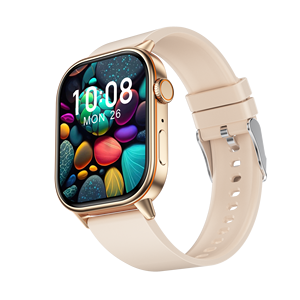
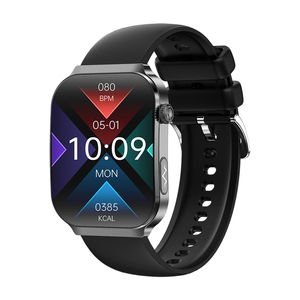
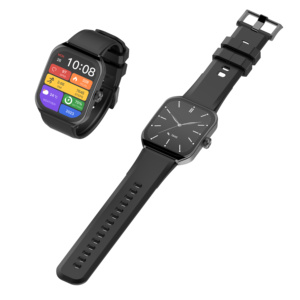
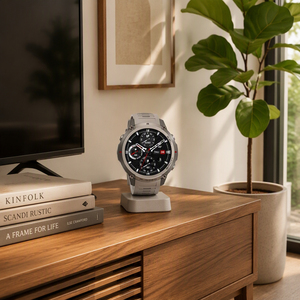
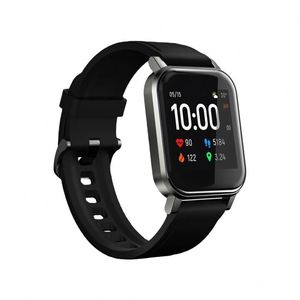
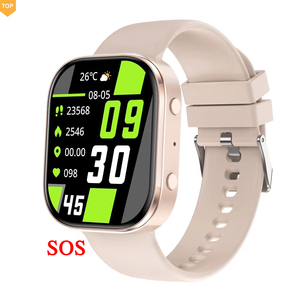
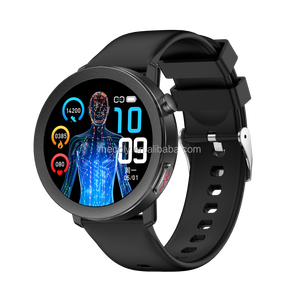
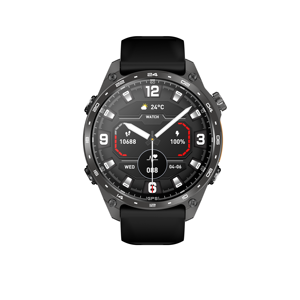
Medical wearable engineering is transitioning from reflective photo-plethysmography (PPG) estimation to hybrid biopotential and oscillometric sensing systems. Factory suppliers must stay ahead of six core technology trajectories.
Modern senior smartwatches deploy multi-channel optical arrays (green, red, and infrared LEDs) coupled with stainless steel or titanium dry-electrode Bezels. Deep neural network (DNN) filtering isolates arterial motion artifacts, enabling continuous real-time detection of Atrial Fibrillation (AFib), Premature Ventricular Contractions (PVCs), and Sinus Rhythm baseline deviations.
While optical PPG offers continuous arterial compliance trend estimates, high-end senior hardware (such as the CARE AIR series) incorporates piezoelectric mini-pumps into specialized double-layer wrist bands. This creates true oscillometric cuff inflation on the wrist, delivering physical blood pressure readings that closely mirror upper-arm sphygmomanometer standards.
Leveraging multi-wavelength Raman spectroscopy and bio-electrical impedance analysis (BIA), current OEM platforms offer non-invasive interstitial fluid glucose trend estimations. This technology provides glycemic shift awareness following meals without requiring uncomfortable finger-stick blood samples, empowering proactive dietary management.
Advanced 6-axis spatial IMU sensors (combining 3-axis accelerometers and 3-axis gyroscopes) utilize vector velocity threshold algorithms to differentiate between intentional sitting, abrupt movements, and genuine traumatic falls. Upon detecting an unacknowledged impact, integrated eSIM or Bluetooth tethering automatically triggers multi-tiered SOS dialing alongside GPS coordinate tracking.
Data isolation restricts senior wearable adoption. Modern firmware architectures push synchronized encrypted biometric telemetry directly to cloud databases. Authorized adult children, caregivers, and medical practitioners receive automated alerts regarding abnormal heart rate variability (HRV), nocturnal oxygen desaturation (SpO2), or hypertensive spikes.
Senior users frequently forget frequent charging cycles. Ultra-low-power dual-core MCU chipsets (such as Nordic Semiconductor or Realtek platforms) extend operational battery life up to 10–14 days. Coupled with non-subscription application business models, end users escape recurring software fees while brands gain higher customer lifetime value.
When evaluating senior health smartwatch suppliers, procurement teams must verify whether firmware incorporates pulse wave transit time (PWTT) baseline calibration. Optical sensors measure volume changes in peripheral microvascular beds; without personalized baseline calibration against traditional upper-arm blood pressure cuffs, raw PPG values can suffer accuracy drifts caused by age-related arterial stiffness. Leading manufacturers implement initial 3-point cuff calibration protocols inside companion applications to maintain optimal long-term trend fidelity.
Global electronics buyers, private-label brands, senior living networks, and telecom operators must align procurement strategies with emerging market dynamics and regulatory standards.
| Procurement Vectors | Legacy Sourcing Criteria | 2026+ Strategic OEM/ODM Sourcing Standard | Impact on Supply Chain & ROI |
|---|---|---|---|
| Regulatory & Data Privacy | Basic CE / FCC / RoHS electrical safety compliance. | Full HIPAA, GDPR, MDR (Medical Device Regulation) data compliance with localized cloud server hosting. | Prevents legal liabilities, qualifies devices for health insurance reimbursement & hospital networks. |
| Software Business Model | Paywalled companion apps requiring $9.99/mo end-user subscriptions. | Zero-subscription companion apps with open API / SDK access for corporate telehealth integration. | Boosts retail sales conversion, reduces app abandon rates, accelerates mass consumer adoption. |
| UI/UX Hardware Ergonomics | Standard youth-focused touch interfaces with small sub-menus. | High-contrast IPS/AMOLED displays, amplified acoustic speakers, haptic feedback, simplified 1-touch navigation. | Dramatically lowers senior return rates due to operational frustration; reduces customer support tickets. |
| Sensor Array Integration | Single PPG optical heart rate sensor. | Fused Multi-Modal Sensor Suites: PPG + ECG + Oscillometric Pump + SpO2 + BIA Glucose + 6-Axis Motion Sensor. | Establishes distinct brand positioning against basic fitness trackers; commands higher retail margins. |
| OEM Customization Flexibility | Rigid off-the-shelf catalog ordering with logo printing only. | Deep OEM/ODM capabilities: Custom PCBA layouts, specialized sensor tuning, white-label apps, bespoke packaging. | Allows enterprise buyers to build defensible intellectual property and proprietary health ecosystems. |
Delivering end-to-end wearable hardware engineering, custom firmware deployment, rigorous quality assurance, and seamless global distribution.
Every production run undergoes strict quality control protocols: 100% IP67/IP68 pressure chamber water-resistance testing, thermal shock resistance (-20°C to 60°C), electro-static discharge (ESD) shielding tests, and button cycle endurance testing (>100,000 presses).
Our software firmware supports multi-language UI translation across 20+ languages including English, French, German, Spanish, Italian, Portuguese, and Japanese. Dedicated customer care frameworks back orders with 45-day returns and 1-year warranty replacement policies.
With optimized overseas warehouse networks and fast US/EU dispatch protocols (typically 3–5 business days post-dispatch), enterprise clients maintain minimal inventory carrying costs while enjoying quick order fulfillment and real-time tracking transparency.
Addressing critical technical, operational, and commercial questions for procurement officers and individual buyers.
Wrist-based smartwatches utilize high-frequency optical PPG sensors to measure pulse wave velocity (PWV) and arterial volume changes, providing continuous blood pressure trend monitoring. For maximum accuracy, initial calibration against a validated upper-arm cuff is required. For clinical-grade spot measurements, specialized models equipped with micro-air-pump inflated wrist cuffs offer physical oscillometric readings.
Non-invasive blood glucose trend features utilize optical bio-impedance and spectral analysis to estimate systemic glucose shifts. These metrics are intended purely as general wellness indicators to observe post-meal metabolic responses and lifestyle patterns. They do not replace invasive blood glucose meters or continuous glucose monitors (CGMs) required for clinical diabetes diagnostics.
Data privacy is controlled entirely by the wearer. Through the companion smartphone application, the senior user grants explicit access to specific health metrics (such as heart rate alerts, blood pressure logs, or fall notifications) to authorized family members. Data transmission is encrypted via AES-256 protocols, and permissions can be revoked by the wearer at any time.
No. Unlike many consumer wearables that lock health insights behind paywalls, our senior smartwatch ecosystem operates on a zero-monthly-fee model. All biometric tracking, historical reporting, sleep analytics, and family sharing functions are included with the device purchase.
We offer comprehensive OEM/ODM manufacturing customization including laser-etched brand logos, custom housing metal finishes, personalized watch strap materials, custom firmware boot screens, white-labeled iOS/Android companion applications, and tailored retail packaging boxes. Software SDK/APIs are also available for enterprise telehealth integrations.
Standard product shipments come with a 45-day return policy and a comprehensive 1-year hardware warranty covering manufacturing defects. Sample orders ship within 2 business days, while bulk OEM production runs typically carry a 15–25 day lead time depending on customization parameters.
Whether you are seeking custom OEM/ODM production runs, corporate telehealth device deployments, or wholesale distribution, our team delivers industrial-grade quality with zero subscription fees.